Understanding Pond Plants
Pond plants are more than just aesthetic enhancements to your backyard water feature; they are essential components of a healthy aquatic ecosystem. By integrating Pond Plants into your garden, you can foster biodiversity, improve water quality, and create habitats for local wildlife. In this comprehensive guide, we will explore the various types of pond plants, their benefits, common mistakes made when choosing them, as well as best practices for their care and maintenance. Whether you're a seasoned gardener or a novice looking to enhance your landscape, understanding pond plants can significantly elevate the natural beauty and health of your garden.
What are Pond Plants and Their Benefits?
Pond plants, also known as aquatic plants, are species that grow in or around water bodies, including ponds, lakes, and marshes. They are classified into several categories based on their habitats and growth forms, including submerged, emergent, floating, and marginal plants. The benefits of incorporating pond plants into your water features are numerous:
- Water Quality Improvement: Pond plants help filter pollutants and reduce nutrient loading, which can lead to clearer and healthier water.
- Oxygen Production: Through photosynthesis, aquatic plants contribute to oxygen levels in the water, benefiting fish and other aquatic life.
- Habitat Creation: Many aquatic plants provide shelter and breeding grounds for fish, frogs, and beneficial insects.
- Aesthetic Appeal: With a variety of colors, shapes, and sizes, pond plants enhance the beauty of any garden landscape.
- Algae Control: By competing for nutrients, pond plants can help suppress algae growth, maintaining a balanced aquatic ecosystem.
Types of Pond Plants: An Overview
Understanding the different types of pond plants is crucial for creating a balanced aquatic environment. Here’s a breakdown of the major categories:
- Submerged Plants: These plants grow completely underwater and are vital for oxygenation. Examples include Elodea and Hornwort.
- Emergent Plants: Emerging from the water, these plants are rooted in the pond’s substrate. Common choices include Cattails and Bulrushes.
- Floating Plants: These plants float on the water's surface and can help reduce sunlight penetration, limiting algae growth. Water Hyacinth and Duckweed are popular examples.
- Marginal Plants: These plants grow at the water's edge and play an important role in stabilizing the pond's banks. Examples are Iris and Marsh Marigold.
How Pond Plants Improve Water Quality
Pond plants serve multiple functions that collectively enhance water quality. By absorbing excess nutrients such as nitrogen and phosphorus, they mitigate eutrophication, a process that can lead to harmful algal blooms.
The roots of submerged plants stabilize sediments, reducing turbidity and promoting clear water. Additionally, aquatic plants provide habitat for microorganisms that further break down organic matter, effectively reducing pollutants and improving overall water quality.
Common Mistakes in Choosing Pond Plants
Despite the benefits, many pond owners make critical mistakes when selecting pond plants. Recognizing these pitfalls can help you avoid common problems and create a thriving aquatic environment.
Ignoring Local Conditions for Pond Plants
One of the most significant errors is failing to consider local environmental conditions. Every pond has unique characteristics that influence which plants will thrive, including water chemistry, sun exposure, and climate. For example, while some plants prefer full sun, others thrive in shade. Conducting a site assessment is crucial before making your selections.
Overstocking Your Pond with Plants
Another common mistake is overstocking your pond with too many plants. This can lead to competition for resources and even result in the death of certain species. It's essential to find a balance that allows each plant to flourish without overcrowding.
Neglecting Maintenance Needs of Pond Plants
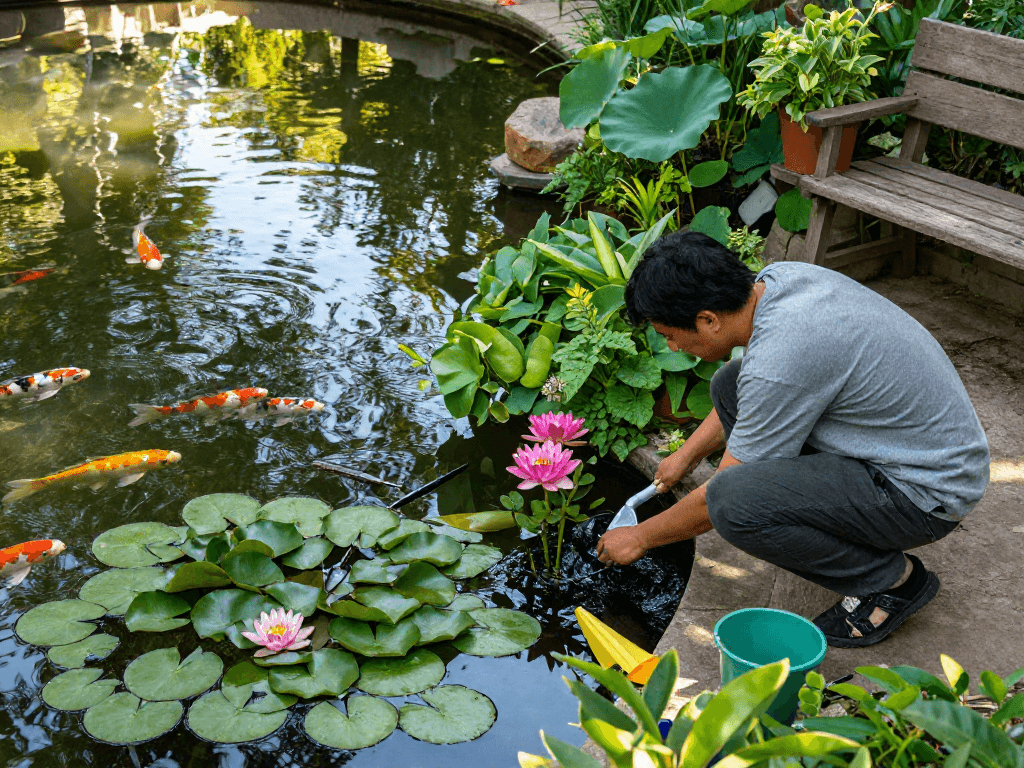
Every pond plant has specific maintenance requirements, from pruning to seasonal care. Ignoring these needs can lead to poor plant health and, consequently, a decline in water quality. Regular maintenance ensures plants remain healthy and continue to perform their beneficial functions.
Best Practices for Planting and Caring for Pond Plants
To cultivate a vibrant pond, adhering to best practices in planting and maintenance is vital. Here are some strategies to ensure your pond plants thrive.
Optimal Planting Strategies for Pond Plants
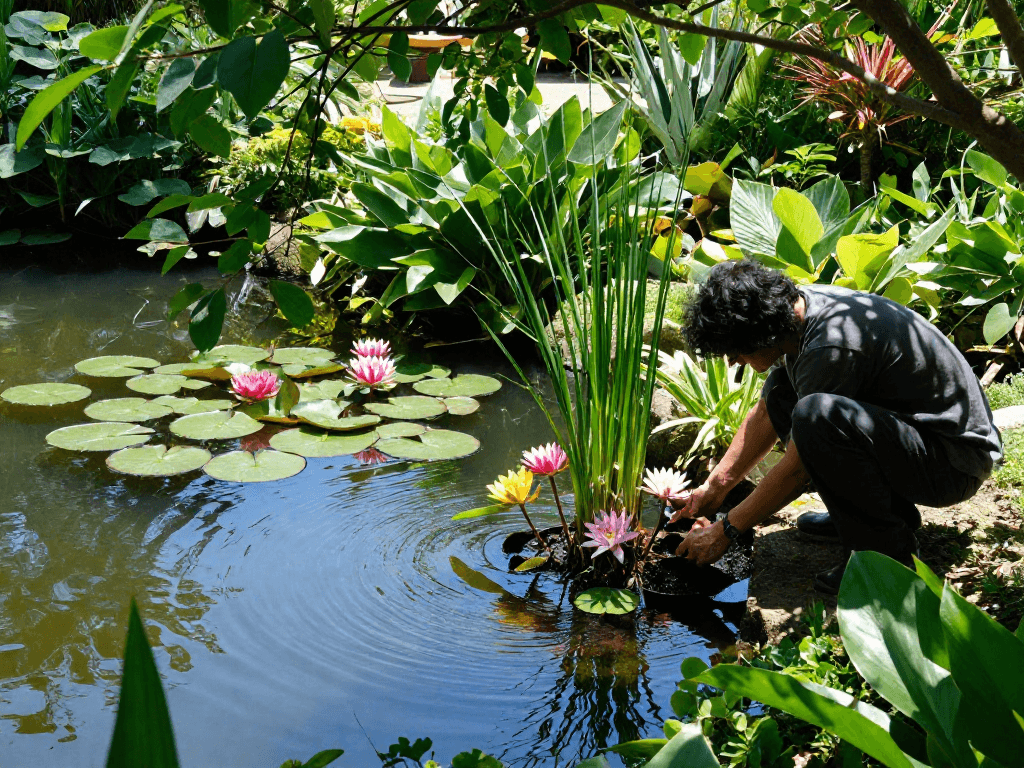
When planting pond plants, ensure you position them correctly. Submerged plants should be placed at appropriate depths, while emergent species should be planted in shallow areas where their roots can access moisture. Additionally, grouping plants by type can create visually appealing arrangements while promoting ecological balance.
Seasonal Care for Healthy Pond Plants
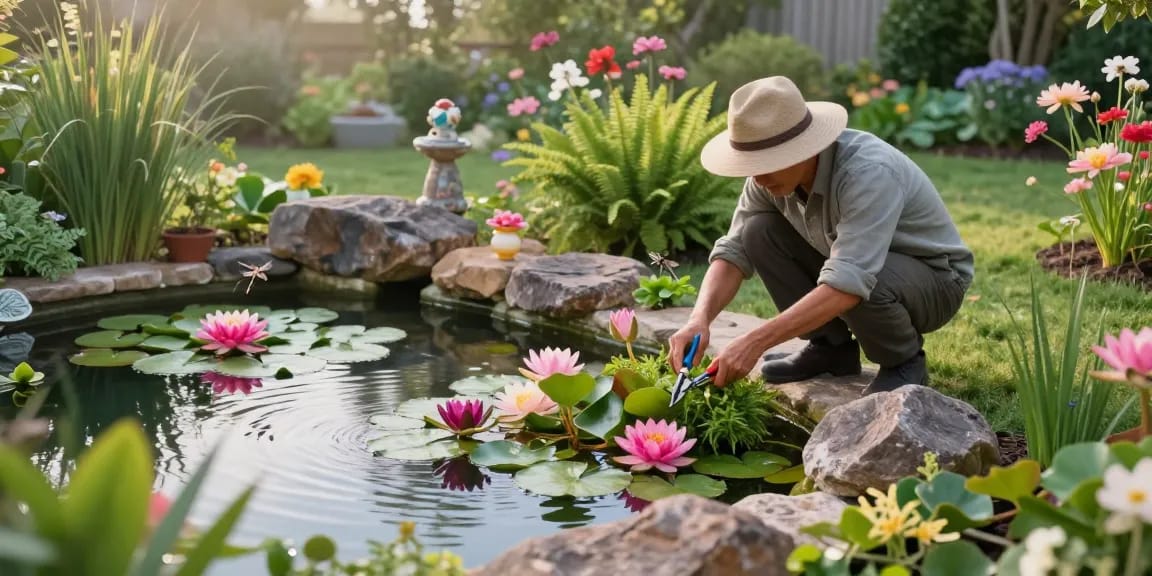
As seasons change, so do the needs of your pond plants. During spring, focus on planting and fertilizing. In summer, monitor growth and control algae. Fall is the time for pruning and preparing plants for winter conditions, while winter maintenance might involve protecting sensitive species from freezing temperatures.
Water Quality Management for Pond Plants
Consistent water quality management is crucial for the health of your pond plants. Regularly check pH levels and nutrient concentrations, and clear debris that can affect water chemistry. Implementing a natural filtration system can also enhance water clarity and quality.
Incorporating Pond Plants into Your Garden Design
Pond plants are not only functional but can also elevate the aesthetics of your garden. Thoughtful integration enhances both beauty and biodiversity.
Creating a Balanced Ecosystem with Pond Plants
To create a balanced ecosystem, incorporate a mix of plant types that can coexist harmoniously. By including submerged, emergent, and floating plants, you enhance the habitat's complexity and stability, making it more resilient to changes in environmental conditions.
Design Tips for Enhancing Aesthetic Appeal
For design purposes, consider varying heights and textures when choosing pond plants. Tall emergent plants can serve as a backdrop, while colorful floating plants add vibrancy. Strategically placing plants can also frame the pond, guiding the eye and enhancing overall garden design.
Using Pond Plants for Wildlife Habitat
Pond plants provide essential habitats for various wildlife. By selecting native aquatic plants, you can attract local species such as birds, frogs, and beneficial insects, thereby promoting biodiversity within your garden. Create zones with different plant types to cater to various animals and their unique needs.
Future Trends in Pond Landscaping and Plants
The landscape of pond gardening is ever-evolving, influenced by sustainability practices, technological innovations, and changing climate conditions. Understanding these trends can help you stay ahead in creating a stunning outdoor environment.
Aquatic Plant Innovations for 2026
As we move toward 2026, advances in horticultural science are paving the way for new aquatic plant varieties that are more resilient to climate fluctuations and pests. Expect to see a rise in genetically modified plants specifically designed to thrive in diverse environments.
Sustainability Practices in Pond Planting
Sustainability remains at the forefront of gardening trends. Focus on using organic fertilizers, natural pest control methods, and rainwater harvesting to maintain your pond plants. Emphasizing native species and biodiversity contributes significantly to the ecosystem's health.
Embracing Native Species for Biodiversity
Utilizing native pond plants not only enhances the beauty of your water feature but also encourages local wildlife to thrive. Native species are better adapted to local conditions and require less maintenance, making them a smart choice for sustainable gardening.
What are the Top 5 Pond Plants for Beginners?
For novice pond owners, starting with easy-to-care-for plants can make the experience enjoyable and successful. Here are the top five recommended pond plants:
- Water Lilies: These floating plants are not only beautiful but also excellent for shading the pond.
- Japanese Iris: An attractive emergent plant that blooms beautifully in shallow areas.
- Lemon Bacopa: This submerged plant is hardy and can thrive in various water conditions.
- Pickerel Rush: Known for its tall spikes of blue flowers, this plant is great for attracting pollinators.
- Hornwort: A versatile submerged plant that helps oxygenate water and provides cover for fish.
How to Care for Pond Plants in Changing Seasons?
As seasons change, adapt your care routine for optimal plant health. In spring, focus on planting and fertilizing, while summer requires monitoring growth and algae control. During fall, prune back overgrowth and prepare plants for winter, ensuring they can withstand freezing conditions.
Can Pond Plants Help Control Algae Growth?
Yes, by absorbing excess nutrients and shading the water, pond plants can significantly reduce algae growth. Establishing a balanced ecosystem with a variety of pond plants will create competition for nutrients, which is key to controlling algae proliferation.
What to Consider When Designing a Pond with Plants?
When designing a pond with plants, consider the overall layout, depth, and types of plants that complement each other. Think about sun exposure and water quality requirements, and create zones that cater to varying plant needs while also enhancing visual appeal.
Are There Any Invasive Pond Plants to Avoid?
Yes, certain pond plants can become invasive, choking out native species and disrupting local ecosystems. Be wary of plants like Water Hyacinth and Purple Loosestrife, which can spread rapidly and become difficult to manage. Always opt for non-invasive alternatives to preserve the ecological balance.