The Importance of Pond Plants for Aquatic Ecosystems
Pond plants are vital components of any aquatic ecosystem, providing numerous ecological benefits that help sustain water quality, maintain biodiversity, and support various forms of wildlife. Whether you're new to pond gardening or have an established aquatic habitat, understanding the role of Pond Plants in your ecosystem is essential to fostering a thriving garden pond.
How Pond Plants Contribute to Water Quality
Pond plants play a critical role in enhancing water quality by absorbing excess nutrients, such as nitrogen and phosphorus, that can lead to algae blooms. These nutrients typically enter the water through runoff containing fertilizers or organic matter. Aquatic plants, through their root systems, uptake these nutrients, significantly reducing their concentration in the water. This natural filtration process not only keeps the water clear but also creates a healthier environment for fish and other aquatic life.
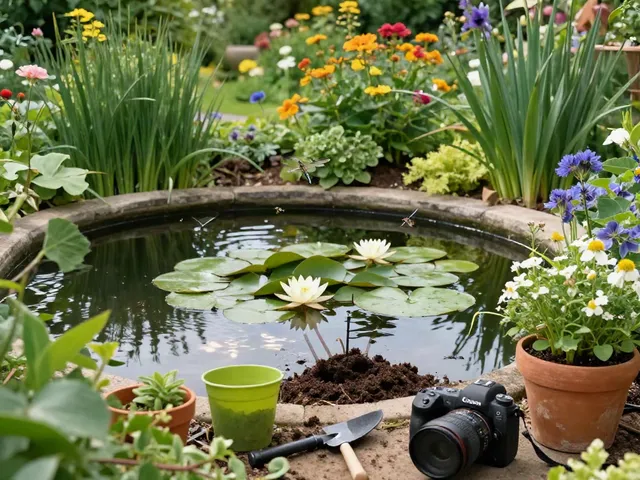
Additionally, submerged plants, such as hornwort and eelgrass, provide oxygen to the water, which is crucial for the survival of fish and beneficial microorganisms. The presence of floating plants like water lilies contributes to moisture retention and helps regulate temperature fluctuations, creating a stable ecosystem.
The Role of Pond Plants in Biodiversity
Biodiversity in pond ecosystems thrives through the variety of pond plants present. They provide habitat and food for various organisms, including fish, amphibians, insects, and birds. The rich interplay between flora and fauna ensures a balanced ecosystem where each species contributes to the health and sustainability of the habitat.
For instance, emergent plants such as cattails and bulrushes create nesting sites for birds and spawning grounds for fish. The variety of plants also attracts pollinators, like bees and butterflies, to the vicinity. A diverse plant community can withstand pests and diseases better than a monoculture, leading to a more resilient pond environment.
Common Misconceptions about Pond Plants
There are several misconceptions regarding pond plants that can deter individuals from engaging in pond gardening. One common myth is that all pond plants are invasive. While some plants can indeed outcompete native species, many are perfectly harmless and beneficial for the ecosystem. Researching and selecting appropriate species is key to maintaining balance in your pond.
Another misconception is that pond plants require a lot of maintenance. While some species do require care, many native species are adapted to local conditions and can thrive with minimal intervention. Understanding the specific needs of your chosen plants can lead to a successful and low-maintenance pond garden.
Choosing the Right Pond Plants for Your Garden
Selecting the right pond plants is vital for achieving a balanced ecosystem and fulfilling your aesthetic vision. The variety of options available can be overwhelming, but knowing the fundamental types and their requirements can make the process more manageable.
Top Pond Plants for Beginners
For novice pond gardeners, starting with easy-to-grow plants is advisable. Some of the best options include:
- Water Lilies: Known for their beautiful blooms, water lilies provide shade and help control algae growth.
- Cattails: These plants are excellent for stabilizing banks and providing habitats for wildlife.
- Hornwort: An effective oxygenator, hornwort grows well in a variety of conditions and requires little care.
- Marsh Marigold: Preferably blooming in early spring, this plant adds color and thrives in moist conditions.
Factors to Consider When Selecting Pond Plants
When choosing pond plants, consider these factors:
- Climate: Ensure the plants are suitable for your local climate and water conditions.
- Pond Depth: Each plant has specific depth requirements; some thrive in shallow water, while others prefer deeper areas.
- Sunlight: Assess the amount of sunlight your pond receives daily to choose appropriate plants.
- Space: Consider the growth potential of each plant and ensure they have enough space to flourish without overcrowding.
Seasonal Considerations for Planting
Timing is crucial when planting pond plants. Spring is generally the best season to introduce new plants, as this allows them to establish roots before the heat of summer. It's important to avoid planting in late summer or early fall, as plants may struggle to establish themselves before temperatures drop.
In regions with colder winters, consider using floating plant baskets or pots to manage plants better and minimize potential winter damage. Many hardy species can survive winter dormancy and will rebound when the weather warms up.
Maintaining a Healthy Pond with Aquatic Plants
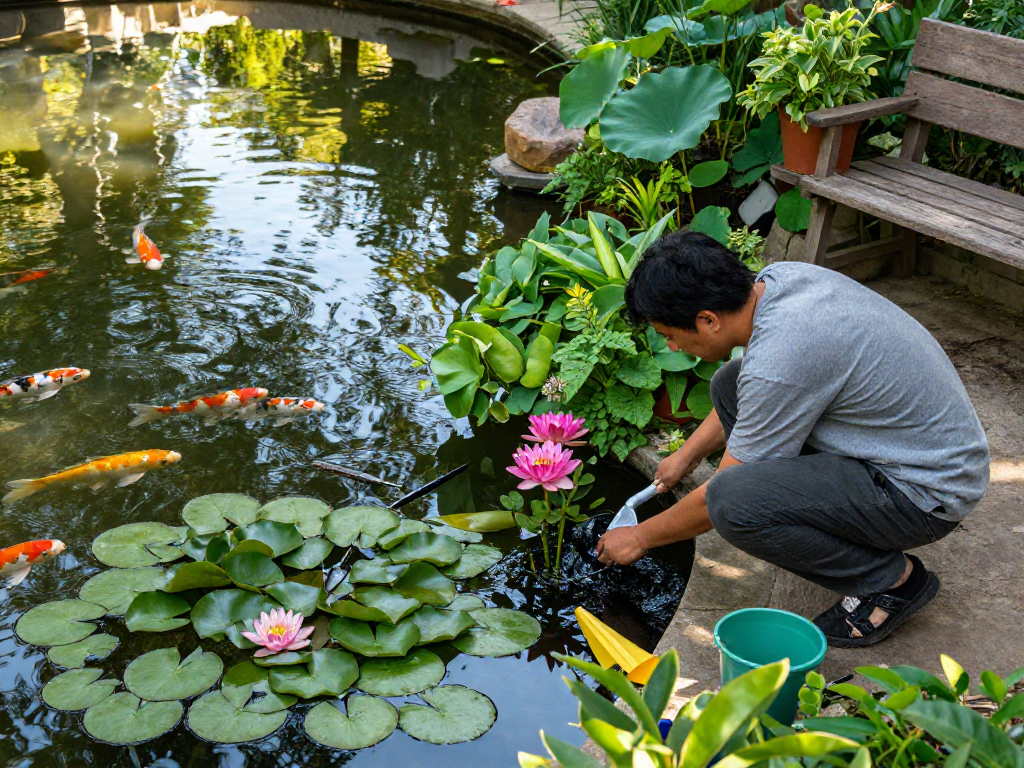
Regular care and maintenance of pond plants are essential in ensuring a healthy aquatic ecosystem. The right practices can enhance the beauty of your pond while improving its ecological functions.
Best Practices for Caring for Pond Plants
To keep pond plants thriving, practice the following maintenance tips:
- Monitor Water Quality: Regularly test the water for nutrient levels, pH, and oxygen content.
- Avoid Overcrowding: Periodically prune and divide plants to prevent overcrowding, which can lead to poor water circulation.
- Remove Debris: Regularly clear fallen leaves and organic debris to prevent the buildup of harmful substances.
Controlling Algae Growth with Plant Selection
Choosing the right plants is one of the most effective strategies in managing algae growth. Incorporating a variety of submerged, emergent, and floating plants will ensure that there is enough competition for nutrients that would otherwise feed algae blooms. Establishing a balanced plant community helps to maintain a healthier pond ecosystem.
When to Prune and Divide Pond Plants
Understanding when to take action with your pond plants can improve their health. Pruning should occur in early spring before new growth begins, while dividing aggressive or overgrown plants can be done in early fall or early spring. This practice not only encourages more robust growth but also helps maintain visual appeal in your garden pond.
Designing Your Garden Pond with Aesthetic Appeal
The aesthetic of your pond garden is as important as its ecological function. Thoughtful design incorporating a variety of textures, colors, and layering can create a visually stunning environment.
Incorporating Colors and Textures with Pond Plants
Choosing a palette of colors and textures can enhance the visual appeal of your pond. Incorporate a mix of flowering and foliage plants to create contrast. For instance, pairing the broad leaves of water lilies with the delicate fronds of ferns can create a striking combination. Select plants based on their flowering seasons to ensure your pond remains vibrant throughout the growing season.
Creating Depth and Layers in Your Pond Design
Designing with depth involves layering plants from the edges to the center of the pond. Install taller plants, like cattails, at the back or center, while placing lower-growing plants in the foreground for an inviting look. This staggered approach not only adds depth but also maximizes visibility and encourages wildlife habitation.
Natural Habitat Considerations for Wildlife
A garden pond is not just for plants and aesthetics; it's also an essential habitat for wildlife. When designing your pond, include features that appeal to various species. For example, create sloping edges for easier access for frogs and other animals, and consider adding stones or logs for sunbathing. Additionally, providing cover with plants will encourage wildlife to thrive.
Future Trends in Pond Gardening for 2026
The future of pond gardening is evolving with innovative practices and a growing emphasis on sustainability. As we head into 2026, several trends are emerging in the way garden enthusiasts approach pond plants and design.
Innovative Techniques for Aquatic Plant Care
As gardening technology advances, new techniques are emerging that focus on efficiency and effectiveness. Hydroponics and aquaponics systems are being adapted to pond gardening, allowing for more controlled environments and maximizing growth potential.
Moreover, the integration of smart technology through sensors and automated systems can optimize water quality management, ensuring that plants receive the right conditions for thriving.
Integrating Technology into Pond Maintenance
With growing concerns about maintaining healthy pond ecosystems, various tech solutions are entering the market. From app-assisted pond management to automated water treatments, technology is facilitating easier maintenance and improved plant health.
Wireless sensors can monitor temperature, water quality, and even plant growth, providing gardeners with real-time feedback for optimal care.
Emerging Popularity of Native Pond Plants
In response to environmental concerns, there is a rising trend towards using native pond plants. These species are adapted to local ecosystems and can thrive without the need for extensive care or resources, making them a sustainable choice. They also provide essential habitats for local wildlife, enhancing biodiversity.
By embracing native plants, gardeners contribute positively to their local environment while still achieving the beauty and function desired in their ponds.
What are the easiest pond plants for beginners?
Some of the easiest pond plants for beginners include water lilies, hornwort, and duckweed due to their low maintenance and adaptability.
How can pond plants improve the health of my pond?
Pond plants improve the health of your pond by filtering pollutants, providing oxygen, and creating habitats for beneficial organisms.
What should I consider when designing a pond garden?
Key considerations for designing a pond garden include plant selection, water depth, sunlight exposure, and the overall ecosystem balance.
Can pond plants survive winter conditions?
Many pond plants are cold-hardy and can survive winter conditions; however, it’s crucial to identify the specific needs of each plant type to ensure their survival.
What are the benefits of using native pond plants?
Using native pond plants promotes biodiversity, requires less maintenance, and helps restore local ecosystems while making your pond sustainable and resilient.