Understanding Tree House Life: A Unique Lifestyle Choice
The allure of living among the branches, surrounded by nature, has long captured the imagination of many. Tree house life is more than just a whimsical idea; it's a lifestyle that offers a unique blend of adventure, serenity, and a deep connection with the environment. As urban areas expand and the hustle and bustle of city living intensifies, more individuals and families are seeking retreat in treehouses. If you're curious about this enchanting way of life, tree house life provides comprehensive insights into what it entails and how to embark on this journey.
What is Tree House Living?
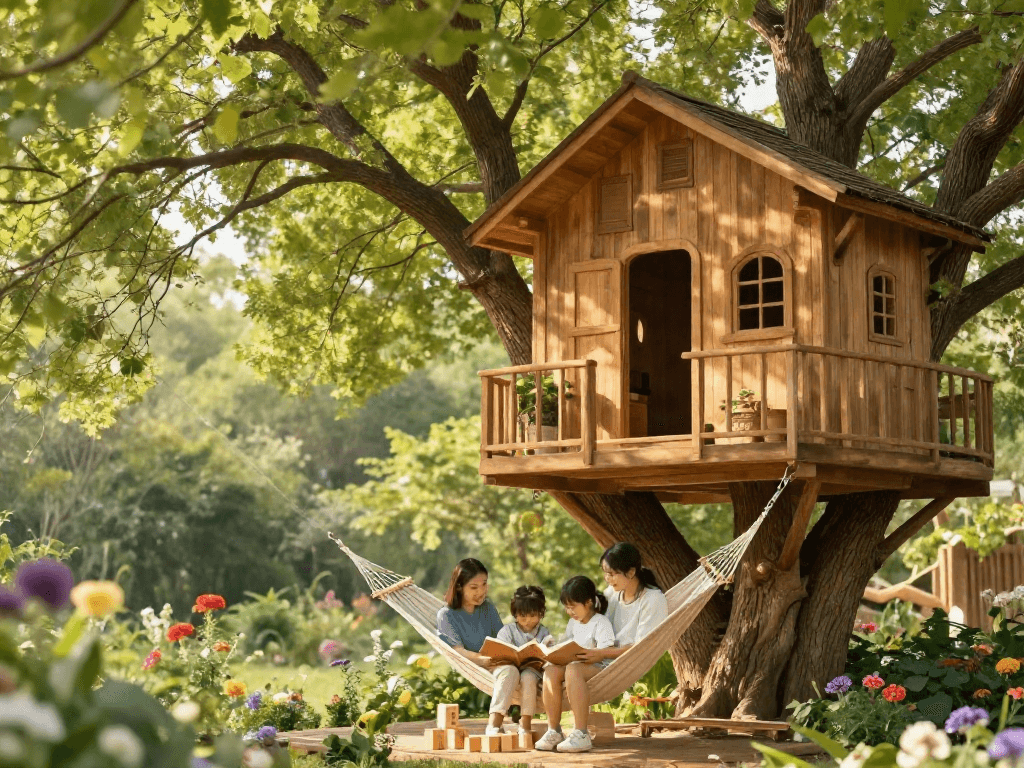
Tree house living refers to the experience of residing in a house elevated among trees, designed to blend harmoniously with the surroundings. These structures can range from simple kid’s playhouses to sophisticated, fully furnished homes equipped with modern amenities. The concept has evolved significantly, showcasing innovative architectural designs that respect the natural landscape while providing comfort and functionality.
The Benefits of Embracing Tree House Life
- Connection to Nature: Living in a treehouse allows individuals to immerse themselves in their environment, promoting a lifestyle that values sustainability and conservation.
- Unique Living Experience: Tree houses offer a one-of-a-kind living experience, often featuring spectacular views and a tranquil atmosphere.
- Health Benefits: Being surrounded by nature has several health benefits, such as reduced stress levels, improved mental health, and increased physical activity.
- Adventure and Creativity: Tree house living inspires creativity and adventure, providing a unique backdrop for family activities, relaxation, and exploration.
Common Misconceptions About Tree House Living
Despite its growing popularity, tree house living is often misunderstood. One common myth is that treehouses are merely children's play structures; however, many modern treehouses are designed for adults and families as a viable alternative home, featuring essentials like electricity and plumbing. Another misconception is that living in a tree house is always rustic; contemporary designs often incorporate high-end materials and modern amenities, providing comfort without sacrificing aesthetics.
Designing Your Dream Tree House
Essential Features for a Functional Tree House
When designing your tree house, functionality should be at the forefront. Key features to consider include:
- Stable Structure: The integrity of the tree and the design's weight distribution are crucial for safety.
- Access Points: A well-planned ladder or staircase is essential for safe access. Consider spiral stairs or rope ladders for an adventurous touch.
- Windows and Ventilation: Adequate windows not only provide breathtaking views but also ensure proper ventilation.
- Outdoor Space: Decks and balconies can extend your living space and offer perfect spots for relaxation.
Incorporating Eco-Friendly Materials
In today’s environmentally conscious world, incorporating eco-friendly materials in your tree house design is not just advisable but essential. Options include:
- Recycled Materials: Use reclaimed wood and recycled metal to minimize environmental impact.
- Sustainable Wood: Ensure that any wood used is sourced from sustainably managed forests.
- Natural Insulation: Materials like sheep’s wool or cellulose can be used for insulation, promoting energy efficiency.
Maximising Space and Functionality
Space can be limited in a tree house, so it’s essential to utilize every inch wisely. Consider:
- Multi-functional Furniture: Use furniture that serves multiple purposes, such as a bed that converts into a sofa.
- Vertical Storage: Incorporate shelving and cabinets that utilize vertical space instead of floor space.
- Open Floor Plans: An open layout can enhance the feeling of spaciousness and allow for better flow throughout the house.
Choosing the Perfect Location
What to Consider When Selecting a Tree
Choosing the right tree is a fundamental step in tree house construction. Consider factors such as:
- Tree Health: Ensure the tree is healthy and free of diseases, as a strong foundation is essential for safety.
- Tree Species: Certain species, like oak or cedar, are preferred for their durability and strength.
- Location: The tree’s location should provide both privacy and accessibility, allowing for easy access without infringing on neighbours.
Understanding Local Regulations for Tree House Construction
Before beginning your tree house project, it’s crucial to research local regulations, which can vary significantly. Consider contacting local authorities to understand:
- Building Codes: Ensure your tree house complies with local building codes and safety regulations.
- Permit Requirements: Some areas may require permits for construction, even for tree houses.
- Zoning Laws: Check zoning laws to ensure that tree house living is permitted in your desired location.
Creating a Harmonious Relationship with Nature
Living in a tree house should be a respectful coexistence with nature. To achieve this:
- Minimize Impact: Use minimal clearing around the tree and design your house to blend seamlessly with the environment.
- Wildlife Considerations: Be mindful of local wildlife and their habitats; aim to protect and coexist.
- Garden Integration: Consider creating a garden or green space that complements your tree house, enhancing both aesthetics and biodiversity.
Tree House Life: Interior Design Inspirations
Design Themes to Consider
When it comes to interior design, tree house living opens a world of creative possibilities. Popular design themes include:
- Rustic Charm: Incorporate natural materials and earthy tones for a warm, inviting atmosphere.
- Modern Minimalism: Opt for clean lines, neutral palettes, and functional designs to create a sleek, contemporary feel.
- Whimsical Aesthetics: Play with bright colours, unique shapes, and playful accents for a fun, imaginative space.
Furniture Selection for Comfort and Style
Choosing the right furniture is crucial for both style and comfort. Consider:
- Quality over Quantity: Select fewer, high-quality pieces that provide comfort and durability.
- Flexible Seating: Use modular seating that can adapt to various needs and occasions.
- Natural Textures: Incorporate fabrics and materials that echo the natural surroundings, such as linen or cotton.
Integrating Modern Technology into a Rustic Setting
While tree house living evokes a sense of rustic tranquillity, modern technology can enhance your living experience. Consider:
- Smart Home Features: Integrate smart lighting or heating systems that can be controlled remotely.
- Solar Power: Install solar panels to sustainably power your home and reduce reliance on external resources.
- Internet Connectivity: Ensure reliable internet service to maintain a balance between living in nature and staying connected.
Future Trends for Tree House Living in 2026
Innovative Building Techniques on the Horizon
As tree house living becomes more popular, innovative building techniques are emerging. Some trends to watch for include:
- Modular Designs: Prefab tree house kits designed for easy assembly and customization are gaining traction.
- 3D Printing: This technology may revolutionise how tree houses are constructed, enabling personalised designs with reduced waste.
- Augmented Reality (AR): AR tools can facilitate the design process, helping future homeowners visualise their tree house before construction begins.
Sustainable Practices for Future Tree Houses
As environmental awareness grows, sustainable practices will be integral to future tree house developments. Expect to see:
- Water Harvesting Systems: Homeowners will likely incorporate rainwater collection systems to lessen their environmental footprint.
- Green Roofs: Incorporating living roofs can provide insulation and promote biodiversity.
- Energy Efficiency: Innovations in building materials will enhance energy efficiency, reducing utility costs and environmental impact.
Community Connections and Tree House Living
Tree house living is not just about individual experience; it cultivates community connections. Future trends may include:
- Shared Spaces: Communities may develop tree houses as shared spaces for gatherings, workshops, and events.
- Collaborative Projects: Neighbours may collaborate on tree house designs, creating a sense of unity while celebrating individuality.
- Eco-Conscious Communities: A focus on sustainable living will encourage communities to support each other in eco-friendly practices.
How long do treehouses last?
The longevity of a treehouse largely depends on the materials used and the maintenance it receives. With proper care, a well-constructed treehouse can last for decades.
Can you live in a treehouse full-time?
Yes, many individuals successfully live full-time in treehouses, provided they are designed adequately with the necessary amenities like plumbing and electricity.
What materials are best for building a treehouse?
Durable wood such as cedar, redwood, or pressure-treated pine is ideal for building a treehouse due to their resilience against weather and decay.
How do you maintain a treehouse?
Regular inspections for structural integrity, treating wood to prevent rot, and ensuring that all fixtures are secure are vital for maintenance.
What are the costs associated with tree house living?
Costs can vary widely based on design, materials, and location. Budgeting for land acquisition, construction, and ongoing maintenance is essential for anyone considering this lifestyle.