Overview of the Manaslu Circuit Trek
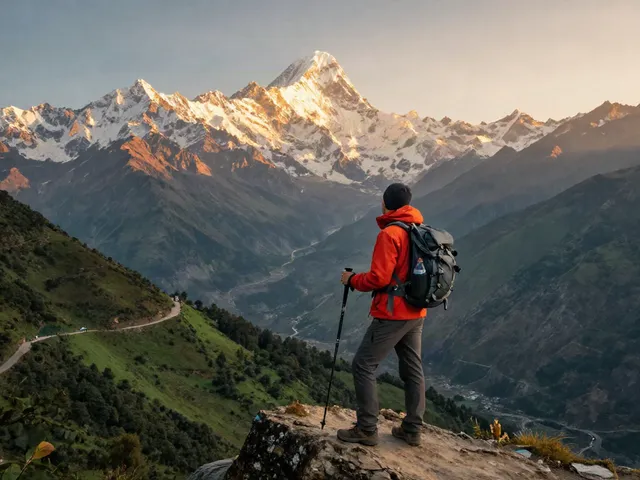
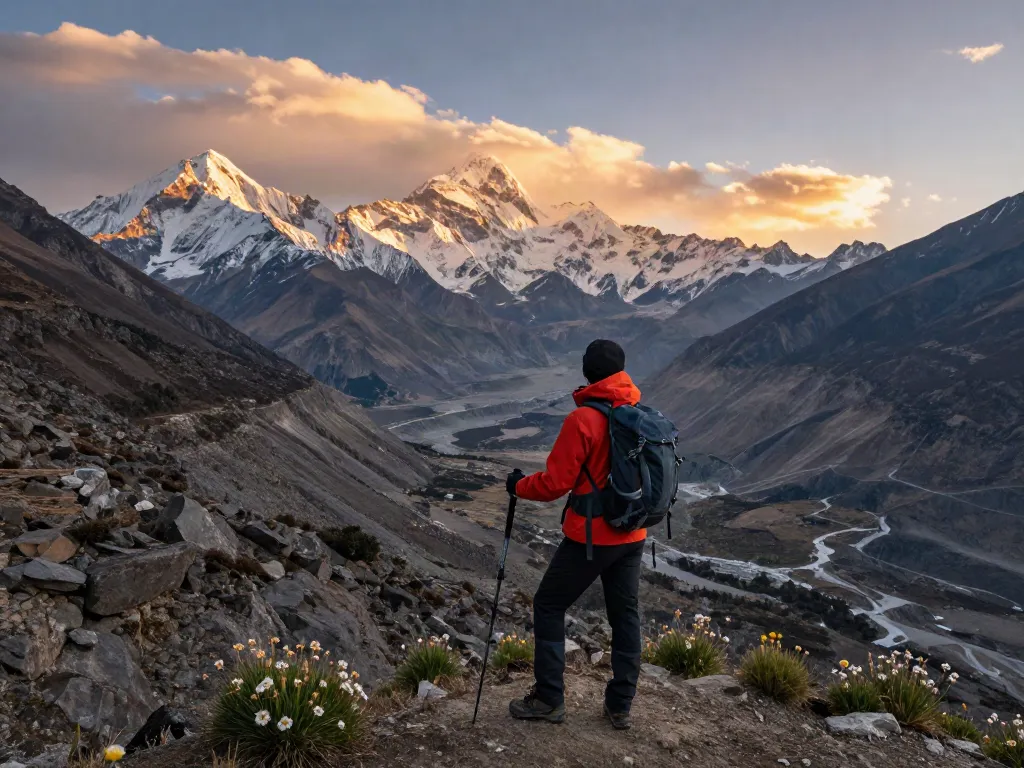
The Manaslu Circuit Trek is an iconic journey that encapsulates the rich tapestry of Nepal’s cultural and natural landscapes. Nestled within the Gorkha region, this trek takes adventurers on a 15-day expedition around Mount Manaslu, the eighth-highest peak in the world, standing at 8,163 meters (26,781 feet). Renowned for its stunning vistas, diverse ecosystems, and intimate cultural experiences, the trek is ideal for those seeking to explore off-the-beaten-path hiking routes while immersing themselves in the unique lifestyle of the local communities.
What is the Manaslu Circuit Trek?
The Manaslu Circuit Trek offers a comprehensive trekking experience, blending challenging hikes with breathtaking scenery and vibrant culture. Unlike the more commercialized trails of Everest and Annapurna, this trek provides a serene environment where trekkers can engage deeply with the landscape and its inhabitants. The journey begins in Soti Khola and culminates at Dharapani, covering approximately 177 kilometers (110 miles) and incorporating diverse terrains—from lush subtropical forests to stark high-altitude landscapes. The trek offers an opportunity for travelers to connect with the rich history and traditions of the region, characterized by old monasteries and Tibetan influences.
Significant Highlights and Attractions
- Larkya La Pass: At an elevation of 5,160 meters (16,929 feet), this is the trek's highest point and offers stunning panoramic views of Manaslu and its neighboring peaks.
- Birendra Lake: Situated near Samagaon, this serene glacial lake is a popular acclimatization hike destination and provides a picturesque backdrop for photography.
- Manaslu Base Camp: A side trek from Samagaon, this area gives trekkers a closer view of the magnificent mountain and its surrounding glaciers.
- Traditional Villages: Throughout the trek, hikers will pass through quaint villages such as Deng, Samdo, and Lho, allowing for authentic cultural interactions with the local Gurung and Tibetan communities.
Why Choose the Manaslu Circuit Trek in 2026?
As adventure travel continues to grow, 2026 presents a prime opportunity to experience the Manaslu Circuit Trek. With fewer tourists than the more popular routes, trekkers can enjoy unobstructed views and a more personal connection with the environment. Additionally, the increase in eco-conscious tourism encourages sustainable practices in the area, ensuring that the natural beauty and cultural richness are preserved for future generations. The trek also features suitable itineraries that accommodate a range of physical fitness levels, making it accessible for both seasoned trekkers and novices.
Planning Your Trek: Itinerary and Preparation
Detailed Manaslu Circuit Trek Itinerary
The journey is broken down into manageable segments, typically spanning 15 days of trekking. Each day is packed with adventure, ranging from moderate to strenuous hikes, allowing for acclimatization and exploration.
- Day 1: Arrival at Tribhuvan International Airport in Kathmandu.
- Day 2: Drive to Machha Khola from Kathmandu via Soti Khola (8-10 hours).
- Day 3: Trek to Jagat (6-7 hours).
- Day 4: Trek to Deng (6-7 hours).
- Day 5: Trek to Namrung (7-8 hours).
- Day 6: Trek to Lho (3-4 hours).
- Day 7: Trek to Samagaon (3-4 hours).
- Day 8: Acclimatization Day at Samagaon, hike to Birendra Lake and Manaslu Base Camp (7-8 hours).
- Day 9: Trek to Samdo (3-4 hours).
- Day 10: Trek to Dharamashala (4-5 hours).
- Day 11: Trek to Bimthang via Larkya La Pass (8-9 hours).
- Day 12: Trek to Goa (5-6 hours).
- Day 13: Trek to Dharapani (3-4 hours).
- Day 14: Drive back to Kathmandu (10-12 hours).
- Day 15: Transfer to International Airport for departure.
Essential Packing List for Your Journey
Being adequately prepared is crucial for a successful trek. Here’s a comprehensive packing list:
- Upper Body: Thermal tops, fleece jacket, down jacket, rain jacket.
- Lower Body: Trekking pants, thermal bottoms, waterproof pants.
- Footwear: Trekking boots, camp shoes or sandals, warm socks.
- Accessories: Sun hat, warm hat, gloves, sunglasses, and a buff or neck gaiter.
- Other Essentials: First aid kit, trekking poles, headlamp, water purification system, and a sleeping bag rated for -15°C (5°F).
Acclimatization and Training Recommendations
Effective acclimatization is essential while trekking at high altitudes. Consider the following recommendations:
- Gradual Ascent: Ascend slowly, allowing your body to adapt to the decreasing oxygen levels.
- Stay Hydrated: Drink plenty of fluids to help your body acclimatize.
- Physical Training: Engage in cardio and strength training exercises at least three times per week leading up to your trek.
Understanding Costs and Budgeting for the Trek
Breakdown of Manaslu Circuit Trek Costs
The cost of the Manaslu Circuit Trek can vary significantly based on several factors including the time of year, the level of service you choose, and whether you are trekking independently or through a tour agency. Typically, the cost ranges from $1,500 to $2,500.
What’s Included and Excluded in Packages
- Included: Transportation, accommodation, meals during the trek, permits, experienced guides, and porters.
- Excluded: International flights, travel insurance, personal expenses (such as snacks, drinks, tips), and any additional activities.
Tips for Managing Additional Expenses
Traveling in Nepal can be cost-effective if budgeted correctly. Here are some tips:
- Cash Availability: Carry sufficient cash, as ATMs may be scarce along the trek.
- Meal Choices: Choosing local dishes such as dal bhat can save costs while ensuring you get nutritious meals.
- Communication: Wi-Fi is available in some areas, but it's often charged, so plan accordingly.
Navigating the Challenges of the Trek
Common Difficulties on the Manaslu Circuit Trek
The Manaslu Circuit Trek presents challenges that require mental and physical preparation. Common difficulties include:
- Variable Terrain: From smooth paths to rocky ascents, the trail demands adaptability.
- Weather Conditions: Conditions can change rapidly; trekkers should be prepared for rain and snow.
- Altitude Sickness: As elevation increases, the risk of altitude sickness rises, necessitating careful monitoring of symptoms.
How to Deal with Altitude Sickness
Altitude sickness can impact any trekker, regardless of experience. To combat it:
- Recognize Symptoms: Be aware of headache, nausea, and dizziness.
- Rest Days: Don't skip acclimatization days; they are crucial for your body to adjust.
- Descend if Necessary: If symptoms worsen, descend to a lower altitude immediately.
Expert Strategies for a Successful Trek
Consider these expert strategies to enhance your trekking experience:
- Join a Group: Hiking with others can provide motivation and additional safety.
- Follow Your Guide: Trust the experience of your guide; they know the terrain and conditions well.
- Be Flexible: Embrace the unpredictable nature of trekking and adapt your plans as necessary.
Safety, Guides, and Local Culture
The Importance of Hiring a Qualified Guide
Hiring a qualified guide is essential for both safety and to enrich your trekking experience. A local guide provides not only navigation but also insights into the cultural and ecological aspects of the region, ensuring a more rewarding journey.
What to Expect from Local Accommodations
Accommodations along the trek will vary from guesthouses to tea houses. Most provide twin-sharing rooms with shared bathrooms, though facilities can be limited at higher altitudes. Expect to experience simple yet comfortable lodging that allows for an authentic cultural exchange with fellow trekkers and locals.
Cultural Interactions and Respecting Traditions
As you trek, you will encounter numerous opportunities for cultural exchange. Always approach local customs with respect, whether it’s observing local festivals, participating in traditional meals, or engaging in conversations with villagers. Understanding the local culture enhances not just your experience but also the lives of those you interact with.
What is the weather like during the Manaslu Circuit Trek?
The weather in the Manaslu region is variable, with trekking seasons spanning from spring to autumn. Expect mild days but chilly nights, especially above 4,000 meters (13,123 feet). Weather can change rapidly, requiring trekkers to be prepared for sun, rain, and snow.
How fit do I need to be for the Manaslu Circuit Trek?
A good level of fitness is necessary. Trekkers should engage in regular aerobic and strength training exercises leading up to the trek, as daily hikes can average between 5-8 hours.
Can beginners successfully complete the Manaslu Circuit Trek?
Beginners can complete the trek with adequate preparation and physical conditioning. Hiring a guide is essential for safety and assistance throughout the journey.
Are permits required for the Manaslu Circuit Trek?
Yes, trekkers must obtain several permits, including the Manaslu Restricted Area Permit (MRAP), Manaslu Conservation Area Permit (MCAP), Annapurna Conservation Area Permit (ACAP), and TIMS card.
What gear is recommended for the Manaslu Circuit Trek?
Essential gear includes sturdy trekking boots, moisture-wicking clothing, warm layers, a reliable backpack, and a comprehensive first aid kit. Proper equipment significantly enhances comfort and safety during your trek.