
As the construction and manufacturing industries continue to evolve, builders and developers are looking for materials that offer strength, efficiency, and long-term value. Among the many options available today, cold-formed steel has become an increasingly popular choice for a wide range of projects.
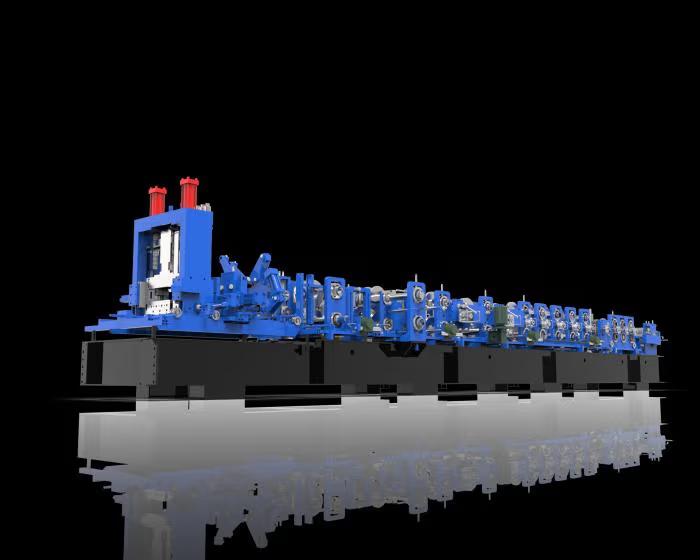
The growing demand for sustainable construction, faster building methods, and durable structures has contributed to the rise of cold-formed steel worldwide. Modern production technologies, including the cold formed steel machine, have made it easier to manufacture high-quality steel components for residential, commercial, and industrial applications.
The Growing Demand for Cold-Formed Steel
Cold-formed steel is produced by shaping steel sheets at room temperature into specific profiles and structural components. This process allows manufacturers to create lightweight yet strong building materials that can be used in various construction projects.
Compared to traditional materials, cold-formed steel offers greater design flexibility and consistent quality. As construction projects become more demanding, builders are increasingly turning to steel solutions that provide both performance and efficiency.
Benefits of Cold-Formed Steel
One of the main reasons for the popularity of cold-formed steel is its combination of strength and versatility. It can be used in framing systems, roofing structures, wall panels, and many other applications.
Lightweight Yet Strong
Cold-formed steel provides excellent structural strength while remaining relatively lightweight. This helps simplify transportation and installation.
Consistent Quality
Manufacturing processes ensure accurate dimensions and reliable product quality, helping improve construction efficiency.
Sustainable Material
Steel is highly recyclable, making it a practical option for environmentally conscious building projects.
Faster Construction
Prefabricated steel components can reduce construction time and help projects stay on schedule.
Design Flexibility
Cold-formed steel can be produced in a wide range of profiles to meet different architectural and engineering requirements.
Its versatility makes it suitable for many applications, including:
- Residential construction
- Commercial buildings
- Industrial facilities
- Roofing systems
- Wall framing
- Storage structures
- Infrastructure projects
The Role of Modern Manufacturing Equipment
Advanced manufacturing technologies have played a major role in the growth of cold-formed steel production. A cold formed steel machine helps manufacturers produce accurate profiles with high efficiency and minimal material waste.
In addition, a curving machine can be used to create curved steel components for architectural and structural applications. These machines allow manufacturers to meet the increasing demand for customized steel products while maintaining production quality.
Choosing the Right Steel Production Solution
When selecting steel production equipment, manufacturers should consider production capacity, accuracy, material compatibility, and long-term reliability. Modern machinery should support efficient operations while helping maintain consistent product quality.
Investing in advanced equipment can improve productivity and allow manufacturers to serve a wider range of construction projects.
Conclusion
As demand for efficient and sustainable building materials continues to grow, cold-formed steel is becoming an increasingly important part of modern construction. Its strength, flexibility, and recyclability make it a practical choice for projects around the world.
Whether produced using a cold formed steel machine or shaped into custom profiles with a curving machine, cold-formed steel offers a reliable solution for today's construction and manufacturing industries.