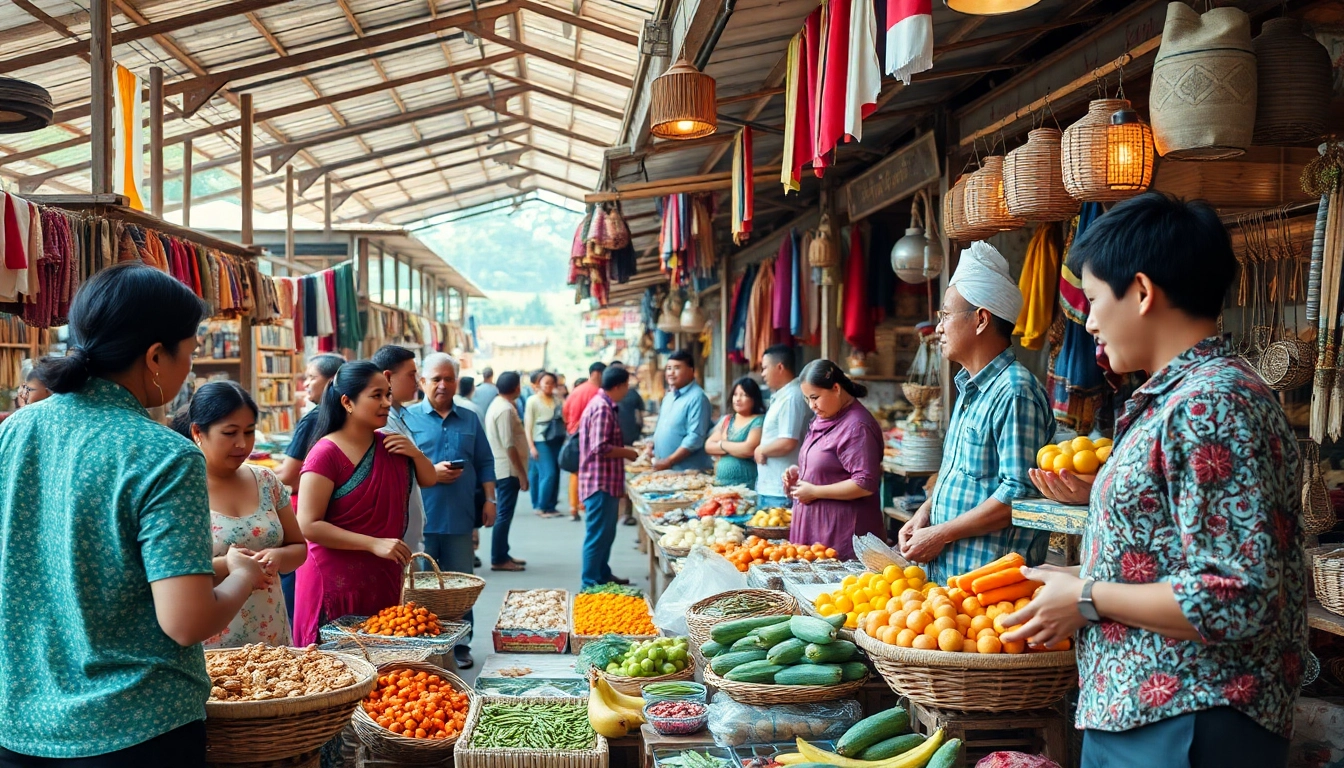
Introduction to Traditional Economy
The traditional economy represents a system where customs, beliefs, and established practices shape the economic structure, prioritizing community needs, local resources, and subsistence farming. This article will delve into the defining features, historical context, and the juxtaposition of traditional economies with modern economic systems. By comprehensively exploring how these economies operate, we can garner insights into their relevance today and their potential in the future.
Defining Traditional Economy
A traditional economy is largely based on agriculture and trade where goods and services are produced for personal consumption rather than for profit. Its essence is rooted in historical practices, often employing bartering rather than monetary transactions. In such systems, the elders or leaders of the community generally allocate resources and labor roles based on experience and established norms. The interplay of culture, geography, and subsistence needs shapes the scope of this economic system.
Key Characteristics of Traditional Economy
- Subsistence Production: The economy primarily revolves around subsistence farming and local markets.
- Barter System: Exchange of goods typically occurs through barter, where products are traded directly without cash.
- Cultural Emphasis: Economic activities reflect the traditions and values of the society, often emphasizing collective well-being over individual profit.
- Resource Allocation: Decisions on resource use are made communally, with consideration for sustainability.
- Minimal Technological Influence: Traditional economies generally resist technological innovations, relying instead on manual labor and handcrafted goods.
Historical Context and Development
Traditional economies can be traced back to the agrarian societies prevalent thousands of years ago. These economies have developed to adapt to local environments, utilizing indigenous methods and materials. Communities established their systems based on agricultural practices that were intertwined with their way of life, creating a strong sense of identity and continuity. Over time, as societies evolved, some traditional economies managed to coexist alongside developing markets, demonstrating resilience and adaptability.
Comparing Traditional Economy and Modern Economic Systems
Defining Features of Modern Economies
Modern economies are characterized by mass production, technological advancement, and a reliance on market systems. The notable features include:
- Monetary Transactions: Cash becomes the primary medium of exchange, facilitating broader participation in economic activities.
- Technological Integration: Artifacts of modernity like automation and digital platforms are widely embraced, enhancing productivity.
- Global Trade: Economies are interlinked globally, allowing for the import and export of goods and services across borders.
- Economic Specialization: The workforce often specializes in specific industries, contributing to efficiency and increased output.
- Consumerism: Demand-driven economies prioritize consumer preferences, often leading to overproduction and waste.
Key Differences Between Traditional Economy and Digital Economy
The contrast between a traditional economy and a digital economy reveals significant differences in operation and philosophy:
- Production vs. Consumption: Traditional economies focus on production for sustainable living, while digital economies emphasize consumption and convenience.
- Community vs. Individualism: Traditional systems foster community engagement, while digital economies often encourage individual pursuits.
- Resource Scarcity vs. Abundance: Traditional economies frequently operate under conditions of scarcity, in contrast to the perceived abundance of resources in digital economies.
- Slower Pace vs. Rapid Innovation: Traditional economies evolve gradually, while digital economies thrive on fast-paced technological innovations.
Impact on Society and Culture
When reflecting on the social and cultural impacts, traditional economies often nurture strong community bonds rooted in shared practices and ancestral knowledge. Conversely, modern economies foster a more fragmented society, where individual pursuits dominate social interactions. This divergence influences everything from family structures to social values, dramatically shaping people's lifestyles and cultural expressions.
The Role of Agriculture in Traditional Economy
Importance of Sustainable Practices
Agriculture stands as the backbone of the traditional economy, emphasizing sustainable practices that support community resilience. Techniques such as crop rotation, permaculture, and organic farming are hallmarks of sustainability in traditional agriculture. These practices not only promote environmental stewardship but ensure food security at the local level, creating a dependency on local ecosystems and biodiversity.
Community Engagement in Farming
In traditional economies, agriculture is not merely a job; it is an intricate aspect of community life. Families and neighbors often collaborate on agricultural activities, fostering social ties through shared labor. This engagement extends into local market days where farmers sell their goods, allowing for reciprocal support and strengthening the socio-economic fabric of the community.
Challenges Faced by Traditional Farmers
Despite their advantages, traditional farmers face significant challenges in contemporary times. Issues such as climate change, soil degradation, and the encroachment of industrial farming methods place immense pressure on traditional practices. Additionally, due to urban migration of younger generations seeking better opportunities, there is often a shortage of labor in traditional agricultural settings.
Adapting Traditional Economy in the Modern Age
Integrating Technology While Preserving Values
Adapting the traditional economy for modern relevance necessitates the careful integration of technology. Tools such as mobile apps for farmers' markets, solar-powered irrigation systems, and online platforms for knowledge sharing empower traditional communities while preserving their core values. The focus is often on using technology to enhance productivity without detrimental disruption to the cultural identity of traditional practices.
Case Studies of Successful Adaptation
Numerous communities worldwide demonstrate successful adaptations of traditional economies within modern frameworks. For example, certain indigenous communities have managed to blend traditional ecological knowledge with modern conservation techniques. By incorporating smart farming technologies with ancestral practices, they enhance crop yield and promote environmental sustainability simultaneously.
Future Trends in Traditional Economy
Looking to the future, the traditional economy is poised for interesting developments. Trends indicate a growing appreciation for local and organic food, as well as a rise in agritourism that bolsters community economies. Furthermore, the need for sustainable practices amidst global climate challenges may spur a renaissance of traditional economic systems in modern contexts.
Frequently Asked Questions about Traditional Economy
What is the main characteristic of a traditional economy?
A traditional economy is characterized by subsistence production, where communities rely on agriculture and barter rather than a monetary system.
How does a traditional economy impact cultural practices?
Traditional economies often preserve cultural heritage, influencing social customs, festivals, and local traditions through community-focused practices.
What are the strengths of a traditional economy?
Strengths include sustainability, strong community bonds, and resilience against global economic fluctuations due to localized production.
Can traditional economies coexist with modern economies?
Yes, many regions find ways to integrate traditional practices with modern technologies, enhancing productivity while preserving cultural identity.
What challenges do traditional economies face today?
Challenges include climate change, competition from industrialized sectors, and the loss of young people moving to urban areas for jobs.