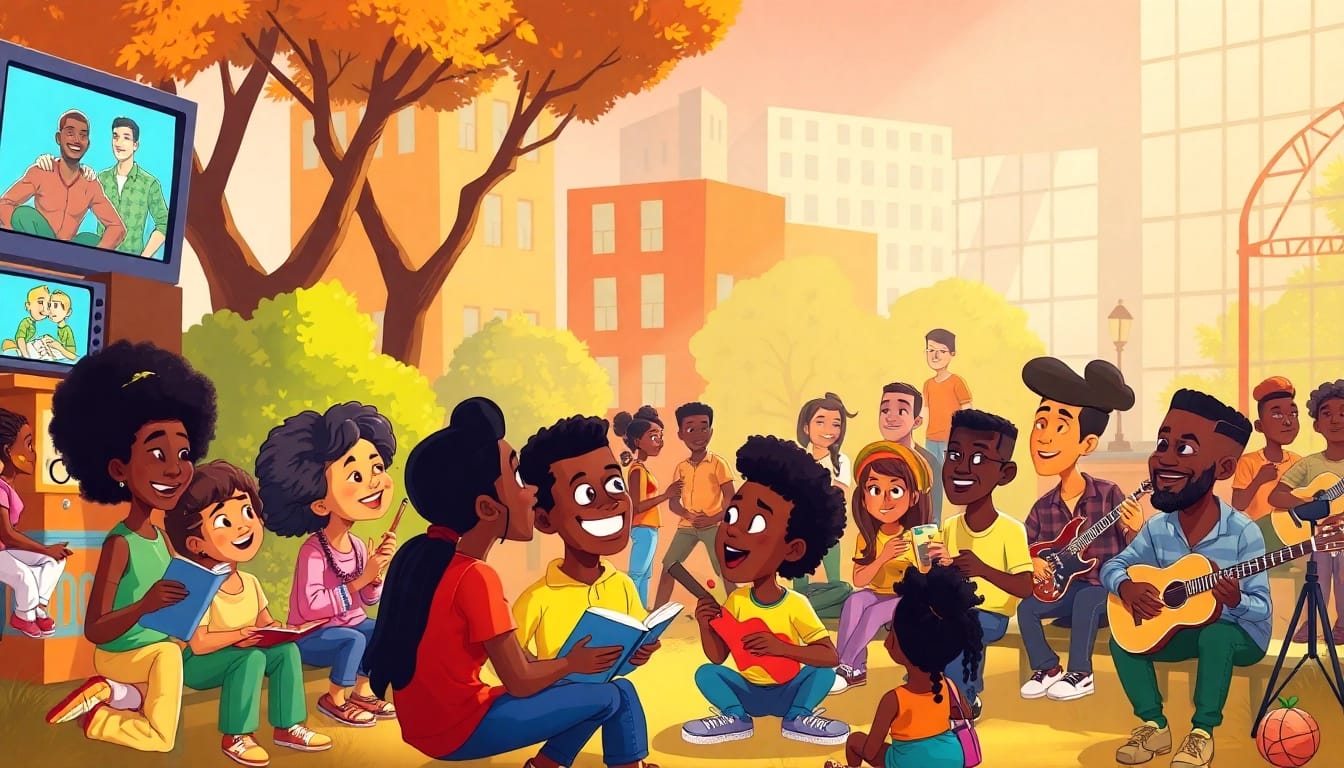
Understanding African American Cartoons and Their Impact
The realm of animation has historically played a significant role in shaping cultural narratives and reflecting societal values. Within this context, African American Cartoons have emerged as a vital component of both entertainment and representation. These cartoons not only entertain but also educate audiences about the rich cultural heritage and diverse experiences of African American communities. Understanding their context and impact is essential to appreciating their contribution to the animation landscape.
The Historical Context of African American Representation
The journey of African American representation in animation traces back to the early 20th century with the emergence of black characters in cartoons. Often depicted using stereotypes, these portrayals reflected broader societal biases and limited the scope of representation. However, as social attitudes evolved, so too did the depiction of African American characters in animation. From the groundbreaking 1972 series "Fat Albert and the Cosby Kids" to contemporary works like "The Boondocks," the animation industry has explored a wider range of narratives that resonate with African American audiences.
Influential African American Cartoons Over the Decades
Key titles have made indelible marks on the animation landscape, showcasing the evolution of African American cartoons. Classics like "The Proud Family" introduced audiences to a relatable African American family, fostering dialogue around issues of identity and community. In contrast, "Afro Samurai," which blended hip-hop culture with anime aesthetics, offered a fresh take that appealed to both black and non-black audiences alike. These shows have contributed significantly to the broader acceptance and appreciation of diversity in animation.
Why Diversity in Animation Matters
Diversity in animation is not merely a trend; it is a necessity. It ensures that different cultures and experiences are represented, fostering empathy and understanding among viewers. A rich tapestry of stories allows for varied perspectives that resonate with a wider audience. African American cartoons, therefore, serve as both entertainment and educational tools, helping to dismantle stereotypes and promote accurate representations of black culture.
Key Characteristics of African American Cartoons
Stylistic Elements That Define the Genre
The aesthetics of African American cartoons often reflect a unique blend of cultural influences. Many series incorporate vibrant color palettes, distinct character designs, and regional dialects that resonate with the target audience. For instance, the animation style in "The Boondocks" is reminiscent of manga, while "The Proud Family" showcases a bright, cartoonish aesthetic that appeals to younger viewers. This stylistic diversity not only enhances visual appeal but also deepens cultural connections.
Core Themes and Messages in Storylines
Common themes in African American cartoons include family dynamics, friendship, social justice, and identity exploration. Shows like "Doc McStuffins" promote the importance of community and health, while "Craig of the Creek" captures the essence of childhood adventure through a lens that celebrates diversity. By addressing these themes, these cartoons not only entertain but also provide meaningful commentary on real-world issues faced by African Americans.
Character Development and Cultural Significance
Character development is crucial in creating relatable figures that resonate with audiences. Series like "The Boondocks" utilize its protagonists, Huey and Riley Freeman, to delve into complex themes of race and society, inviting viewers to engage in critical discussions. Meanwhile, characters from "The Proud Family" exemplify resilience and the importance of cultural heritage, helping younger viewers form connections with their own identities.
Top African American Cartoons to Watch in 2026
Classic Favorites That Shaped Generations
Many classic African American cartoons continue to resonate with audiences today. "Fat Albert and the Cosby Kids" remains a staple for its impactful storytelling and relatable characters. Similarly, "The Proud Family," now revived for a new generation with "The Proud Family: Louder and Prouder," highlights the significance of representation and cultural pride.
New Releases Making Waves This Year
2026 is set to bring a plethora of new African American cartoons that showcase fresh narratives and artistic styles. Projects like "Young Love" from Matthew A. Cherry promise to blend humor with heartfelt storytelling, while "Maggie and the Ferocious Beast" continues to capture youthful imaginations with its charming characters and uplifting messages.
Hidden Gems Worth Discovering
In addition to mainstream hits, several lesser-known titles deserve recognition. "Bino and Fino" is an educational cartoon that introduces young viewers to African culture through engaging stories. "Motown Magic," another gem, creatively teaches children about music and art while celebrating African American history.
Creating Your Own African American Cartoon Content
Steps to Crafting Culturally Relevant Stories
For aspiring creators looking to contribute to the world of African American cartoons, crafting culturally relevant stories begins with research and understanding. Delve into the lives and experiences of African Americans, embracing their diverse narratives and histories. By collaborating with cultural consultants and community members, creators can ensure authenticity in their storytelling.
Incorporating Artistic Techniques and Styles
Artistic expression is central to animation. Employing a mix of traditional and contemporary artistic techniques can enhance storytelling. Consider utilizing bold colors, unique character designs, and culturally inspired motifs that speak to African American experiences, ensuring that the visual style complements the narrative.
Engaging with the Community for Authenticity
Engagement with the community is vital for developing authentic characters and stories. Organize workshops and focus groups with individuals from diverse backgrounds to gain insights into their experiences. This collaborative approach not only enriches the content but also builds a stronger connection with the audience.
The Future of African American Cartoons
Emerging Trends in Animation and Representation
The animation industry is witnessing a shift towards increased representation and inclusivity. Emerging trends include diverse storytelling techniques and a focus on authentic voices from various backgrounds, indicating a commitment to broadening the scope of representation in animation. Shows like "The Proud Family: Louder and Prouder" exemplify this trend by featuring contemporary issues faced by African American families.
Innovative Platforms Promoting Diverse Content
The rise of streaming platforms has opened new avenues for African American cartoons. Services like Netflix and Hulu are increasingly investing in original content that showcases black narratives, enabling creators to reach wider audiences. This democratization of media has led to a surge in new voices and stories making their way to screens.
How Technology is Shaping the Animation Landscape
Advancements in technology continue to reshape the animation landscape. Tools like CGI and digital animation software allow for greater creativity and flexibility, enabling storytellers to experiment with new styles. Additionally, social media platforms offer a space for creators to share their work and engage with audiences directly, further enhancing visibility for African American cartoons.