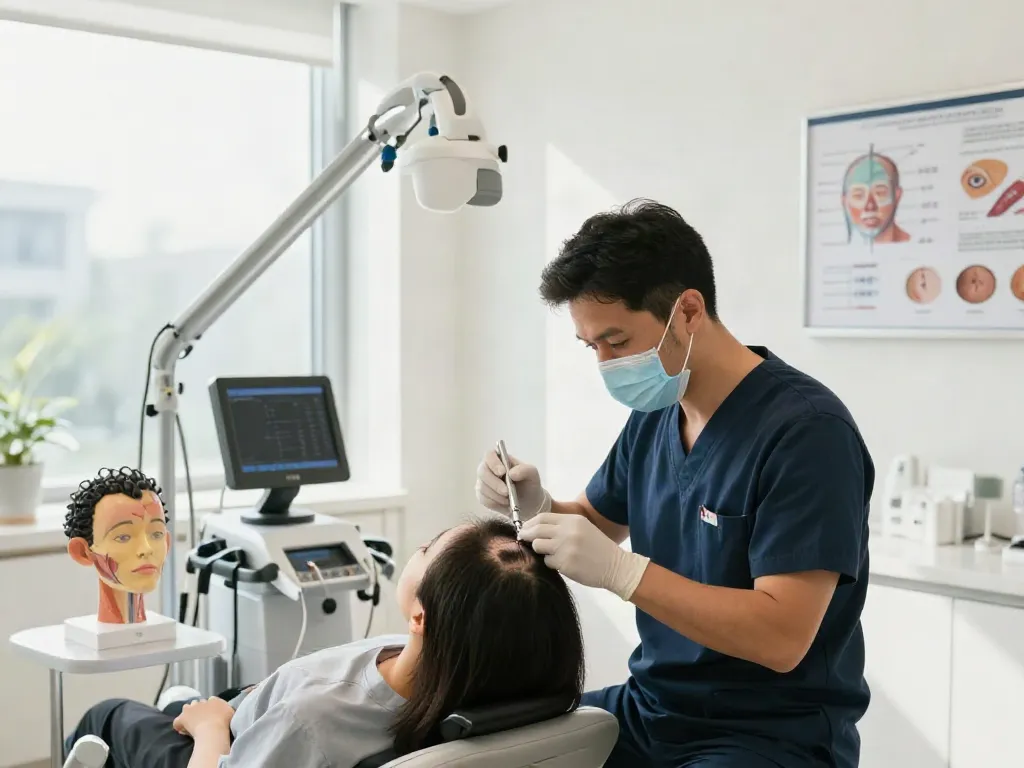
Understanding Hair Transplant Techniques
Hair transplantation has emerged as a top choice for individuals seeking to reclaim their hair and, in turn, their confidence. Using advanced techniques, such as FUE, FUT, and DHI, hair transplants can provide natural, scar-free results for both men and women experiencing varying degrees of hair loss. When exploring options, Hair Transplant procedures can effectively address your specific needs while ensuring safety and aesthetic discretion. This article dives into the methodologies involved in hair transplantation, focusing particularly on what sets each technique apart.
Overview of Hair Transplant Methods
At its core, a hair transplant is a surgical technique designed to address hair loss by transferring hair follicles from a healthy donor site—typically the back or sides of the scalp—to areas affected by thinning or baldness. The primary methods currently in use include:
- Follicular Unit Extraction (FUE): This minimally invasive technique involves extracting individual hair follicles using a fine punch tool, resulting in minimal scarring and quick recovery.
- Follicular Unit Transplantation (FUT): Also known as the strip method, this technique involves removing a strip of tissue from the donor area, which is then divided into follicular units for transplantation. This method allows for a higher number of grafts in a single session.
- Direct Hair Implantation (DHI): An advanced variation of FUE, DHI uses a specialized pen-like tool to implant grafts immediately after extraction, which improves precision in placement.
Benefits of FUE vs. FUT vs. DHI
Choosing between FUE, FUT, and DHI largely depends on individual circumstances such as hair loss extent, donor site quality, and personal preferences regarding scarring and recovery time. Here's a quick comparison of their benefits:
- FUE: Less invasive, shorter recovery, no linear scarring.
- FUT: Higher graft yield, typically more cost-effective for larger procedures.
- DHI: Enhanced control over hair angles and density, potentially better graft survival rate.
Choosing the Right Technique for Your Needs
Deciding which hair transplant technique is best suited for you involves an analysis of various factors—your hair loss pattern, the quality of your donor hair, and even your financial considerations. Consulting with a certified specialist can offer clarity during this decision-making process.
The Hair Transplant Process Explained
The hair transplant process requires careful planning and execution to ensure optimal results. It typically unfolds in several stages, starting from the initial consultation to post-operative care.
Consultation: What to Expect
During the initial consultation, your surgeon will assess your hair loss pattern, discuss your expectations, and determine whether you are a suitable candidate for the procedure. This stage is crucial as it sets the tone for your hair restoration journey.
The Surgical Procedure Step-by-Step
The hair transplant itself is typically a day-long procedure performed under local anesthesia. Key steps include:
- Preparation: The scalp is numbed, and the donor site is prepared.
- Extraction: Depending on the method chosen (FUE or FUT), hair follicles are extracted from the donor area.
- Implantation: The extracted follicles are strategically implanted into the thinning or balding areas of the scalp.
Post-Procedure Care and Recovery Tips
Post-operative care is essential for optimal healing and results. Patients should follow their surgeon's guidelines carefully, which may include:
- Avoiding strenuous activities for a few weeks.
- Regularly washing the scalp with gentle shampoo as directed.
- Taking prescribed medications to manage discomfort and prevent infection.
Hair Transplant Cost Analysis
The cost of a hair transplant in Malaysia can vary significantly based on the technique employed and the number of grafts needed. Generally, patients can expect to pay between RM5 and RM15 per graft, with total costs ranging from RM8,000 to RM30,000.
Average Pricing in Malaysia
Pricing structures differ by clinic and are often influenced by factors such as operational overhead and the experience of the medical team. GLOJAS Specialist Clinic, for example, offers transparent pricing without hidden fees, a crucial factor in making an informed decision.
Factors Influencing Hair Transplant Costs
Several factors can influence the costs associated with a hair transplant procedure, including:
- The number of grafts: More extensive hair loss typically necessitates a larger number of grafts.
- Technique: Some techniques are more labor-intensive and may be more costly.
- Surgeon's experience: Clinics with qualified surgeons often charge higher rates due to their expertise and successful track record.
Comparison with International Pricing
Compared to prices in the US or Europe, hair transplants in Malaysia are considerably cheaper—often 40 to 60 percent lower—while delivering results of comparable quality. This makes Malaysia an attractive destination for those seeking restoration.
Identifying Good Candidates for Hair Transplants
Not everyone is a suitable candidate for hair transplantation. Understanding the common causes of hair loss can help clarify who is likely to benefit from this procedure.
Common Causes of Hair Loss in Men and Women
Hair loss can result from various factors, including:
- Genetics: Family history of baldness can significantly impact hair loss patterns.
- Hormonal changes: Conditions such as polycystic ovary syndrome (PCOS) in women can contribute to thinning hair.
- Medical conditions: Autoimmune diseases and scalp infections can also lead to hair loss.
Assessing Donor Hair Quality
The quality and density of the donor hair are critical components in determining candidacy. Patients with a strong supply of healthy hair on the sides and back of the scalp typically have better outcomes.
Signs You Are a Suitable Candidate
Good candidates usually:
- Are in good overall health.
- Have sufficient donor hair available.
- Exhibit realistic expectations regarding the outcomes of the procedure.
Future Trends in Hair Restoration
The hair restoration industry continues to evolve, bringing forth promising innovations that could enhance both techniques and results.
Innovations Expected in the Industry by 2026
Advancements in technology, such as robotic-assisted hair transplantation and artificial intelligence for improved follicle placement, are expected to redefine the core practice of hair restoration. Emerging research on the use of stem cells and growth factors also holds potential for enhancing hair regrowth.
Emerging Technologies in Hair Transplantation
Techniques that improve graft survival and faster recovery times are likely to gain traction. New implant tools that minimize trauma to the scalp may become standard in leading clinics.
Long-term Effectiveness and Patient Satisfaction Rates
As the techniques improve, so do patient satisfaction rates. Long-term studies are also expected to yield more data on the effectiveness of different methods, giving patients clearer insights into what to expect.
FAQs
How long will hair transplants last?
The results of hair transplants are permanent as long as the transplanted hair follicles are healthy and taken from areas resistant to thinning.
How much do 3,000 hair grafts cost in the USA?
The average cost of 3,000 hair grafts in the USA can range from approximately $4,000 to $15,000, depending on the clinic and region.
How risky are hair transplants?
Hair transplants are generally safe when performed by qualified professionals. However, like all surgeries, they carry inherent risks, including infection and scarring.
Is a hair transplant 100% successful?
While most patients achieve satisfactory results, success can vary based on individual factors, including hair loss pattern and donor hair quality.
What are the side effects of hair transplants?
Common side effects include swelling, bruising, and temporary shock loss, although these are typically manageable and resolve within weeks.