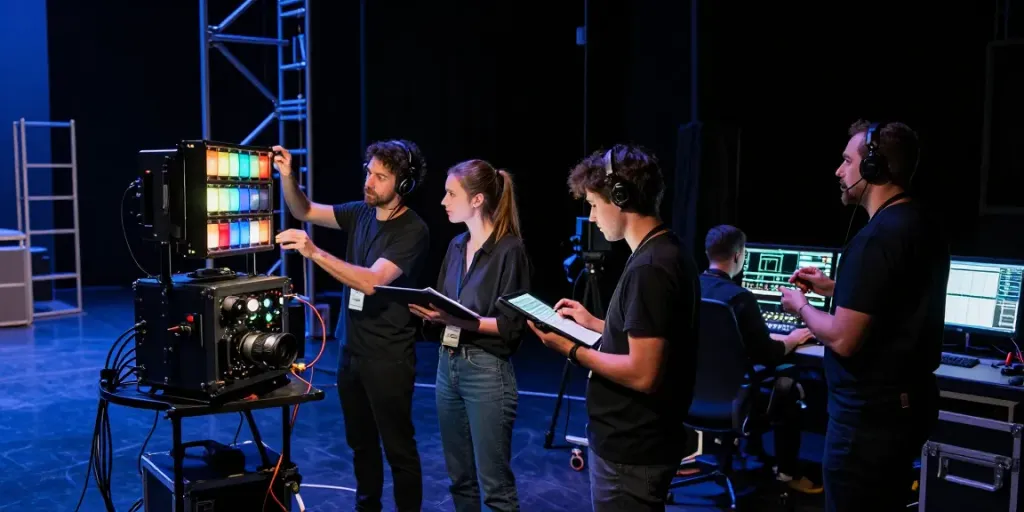
Understanding Theatre Apps
Theater productions today are not just about the script or the performance; they're also about efficient management and accessibility. With the advent of theatre apps, production teams can leverage technology to streamline their processes, enhance audience engagement, and make performances more inclusive. As we step into 2026, the role of these applications has become increasingly significant, offering various tools tailored specifically for the technical and creative aspects of theatre.
What Are Theatre Apps?
Theatre apps are digital tools designed to assist various aspects of theatre production and management. These applications can cater to different roles within a theatre setting, such as directors, stage managers, lighting technicians, and sound designers. From script formatting and scheduling to sound design and audience interaction, theatre apps encompass a wide range of functionalities that can greatly enhance the overall production experience.
Key Features of Theatre Apps
- Collaborative Tools: Many theatre apps offer features that allow team members to collaborate in real time, sharing scripts, designs, and schedules.
- Scheduling and Organization: Production teams can maintain schedules, track rehearsal times, and manage cast availability efficiently.
- Design Tools: Apps for lighting, sound, and set design enable users to create detailed plans and visualizations, making the design process more straightforward.
- Accessibility Features: With a growing emphasis on inclusivity, many apps now include options for captioning, surtitling, and audio description, ensuring that performances are accessible to all audiences.
The Importance of Accessibility in Theatre
Accessibility in theatre is crucial for providing an inclusive experience for all audience members. It ensures that people with disabilities can enjoy performances just like everyone else. This focus on accessibility has increased significantly, leading to the development of various apps that can help theatre companies meet these needs effectively. From captioning and surtitling to audio description, modern theatre apps are designed to enhance audience engagement and ensure everyone can partake in the magic of live performances.
Essential Theatre Apps for Production Teams
For production teams, the right theatre apps can make all the difference in ensuring smooth operations and successful performances. Here are some essential categories of theatre apps that every production team should consider:
Lighting and Sound Design Apps
Effective lighting and sound design are pivotal to the success of a theatre production. Apps like QLab and Lightwright allow designers to create comprehensive cue lists, control elements seamlessly, and collaborate with other team members in real time. These apps often feature intuitive interfaces that make it easy to learn, even for those new to technical design.
Stage Management Tools
Stage management is a complex task that involves coordinating various aspects of a production. Apps like Stage Manager and PromptBook simplify the process by providing tools for tracking cues, managing rehearsal schedules, and maintaining communication between cast and crew. By integrating these tools, stage managers can keep everything organized and ensure that the production runs smoothly.
Captioning and Surtitling Applications
Captioning and surtitling are vital for making theatre experiences accessible to individuals who are deaf or hard of hearing. Applications like Captitles allow theatre companies to easily create and display captions, thereby enhancing audience understanding of the performance. These apps streamline the captioning process, allowing creators to focus on the artistic aspects while ensuring accessibility.
Benefits of Using Theatre Apps in 2026
As the theatre industry evolves, the adoption of technology through apps becomes increasingly advantageous. Here are some benefits that theatre companies can expect when integrating apps into their productions:
Streamlining Production Processes
The use of theatre apps can significantly reduce the time spent on administrative tasks. By automating scheduling, cue management, and communication, production teams can devote more time to the creative aspects of their work. This efficiency leads to smoother rehearsals and a more polished final performance.
Improving Accessibility for Audiences
Accessibility is no longer an afterthought; it's a necessity. Theatre apps that focus on captioning and audio description allow companies to reach a broader audience, fostering an inclusive environment. By investing in these technologies, theatres can enhance the experience for all attendees, ensuring that everyone feels welcome.
Enhancing Collaboration Among Teams
Collaboration is key in theatre production, and apps facilitate this process by enabling instant communication and document sharing. With cloud-based platforms, team members can access scripts, schedules, and design elements from anywhere, leading to a more cohesive production effort.
Challenges and Solutions with Theatre Apps
While theatre apps offer numerous benefits, they also come with their own set of challenges. Addressing these issues is crucial for successful implementation.
Common Obstacles in Implementation
Resistance to change is a common challenge when introducing new technology. Many theatre professionals may be accustomed to traditional methods and hesitant to adopt apps. To overcome this, offering thorough training sessions can help teams become more comfortable with the technology.
Addressing Compatibility Issues
Compatibility between different apps and existing systems can pose a significant challenge. Selecting apps that integrate easily with existing hardware and software is essential. Additionally, regular updates and tech support can help mitigate these issues and ensure seamless operations.
Training Teams to Use New Tools
Once new theatre apps are selected, ensuring that all team members are trained in their use is vital. Training sessions should be tailored to different user levels, from novice to expert, and can include hands-on workshops, video tutorials, and comprehensive user manuals. This not only empowers team members but also enhances overall production effectiveness.
Future Trends in Theatre Apps
As technology continues to advance, theatre apps are expected to evolve in exciting ways. Here are some trends likely to shape the future of theatre apps in 2026 and beyond:
Emerging Technologies in Theatre
Technologies like augmented reality (AR) and virtual reality (VR) are beginning to make their way into theatre productions. Apps incorporating these technologies can create immersive experiences, enhancing audience engagement and opening new avenues for storytelling.
Predictions for the Theatre Industry in 2026
In 2026, we can anticipate an even greater emphasis on sustainability in theatre production. Apps that help track resource use, minimize waste, and promote eco-friendly practices will likely become standard tools for production teams striving for a greener industry.
How to Stay Updated with Industry Innovations
To keep pace with the rapidly evolving landscape of theatre technology, theatre professionals should actively seek out resources such as industry newsletters, workshops, and webinars. Engaging with online communities and forums will further provide insights into the latest trends and innovations within the sector.
What are some good apps for theatre?
When exploring options, theatre apps vary widely in functionality and focus. Some well-regarded apps in 2026 include those for sound design like QLab, stage management tools like Stage Manager, and captioning apps like Captitles.
How can I enhance accessibility in my productions?
Enhancing accessibility involves incorporating technologies such as captioning and audio descriptions into performances. Utilizing dedicated theatre apps designed for these purposes ensures that all your audiences can enjoy the show.
Are theatre apps worth the investment?
Investing in theatre apps can pay significant dividends through improved efficiency, audience engagement, and accessibility. The right tools can save time, increase productivity, and enhance the overall production experience.
What are the latest trends in theatre technology?
Current trends include the integration of AR and VR for immersive experiences, the use of AI for script analysis and editing, and the development of sustainable production practices facilitated by technology.
How do I choose the best theatre app for my needs?
Selecting the best theatre app involves assessing your specific production needs, the size of your team, budget constraints, and how well an app integrates with your current processes. Testing a few different options before making a commitment can provide insights into which tools will be most beneficial for your productions.