
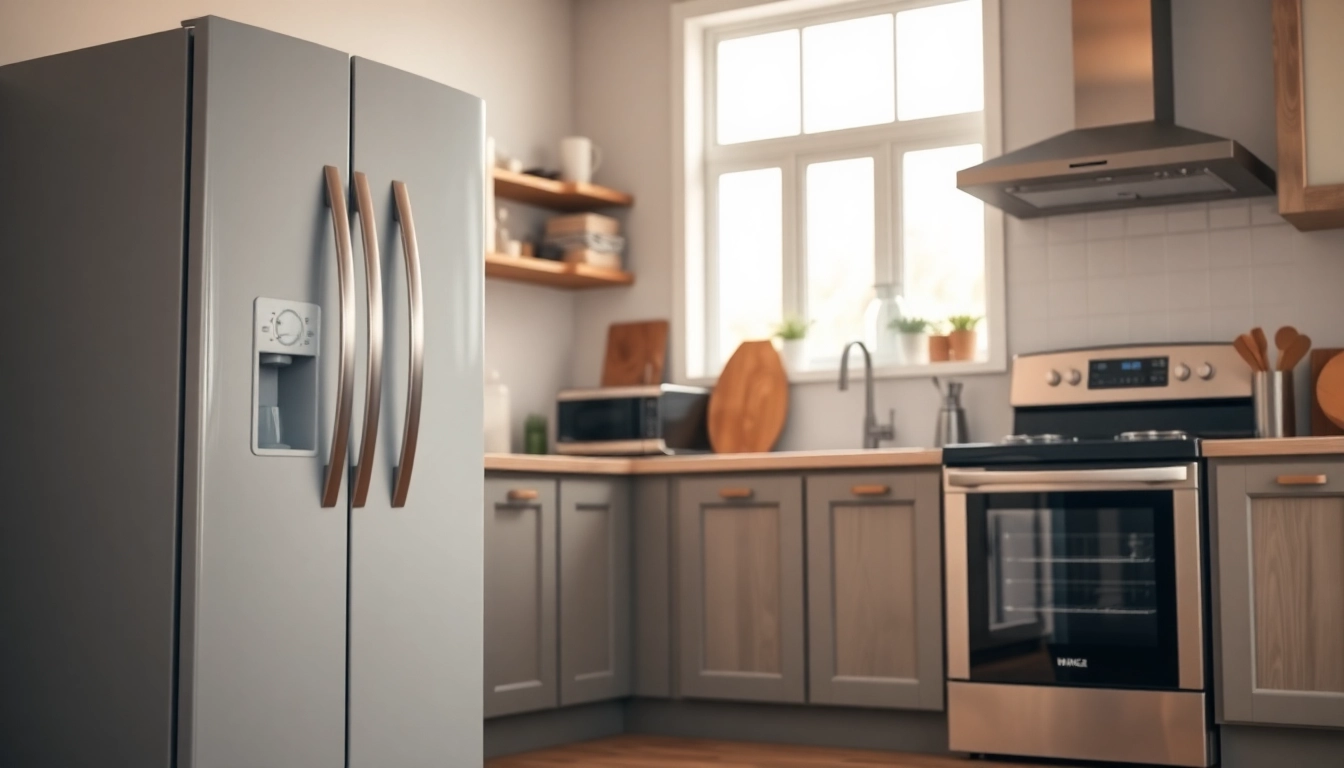
The Importance of Home Appliances in Daily Life
In the contemporary world, the role of home appliances extends beyond mere functionality; they are central to our way of living. From simplifying household chores to enhancing our lifestyle, these tools are essential for any modern home. This article dives into the significance of home appliances, exploring their functional advantages, various types, and essential features to consider when making a purchase.
Understanding Home Appliances
Home appliances are defined as electrical or mechanical devices designed to perform specific tasks, primarily for household functions. They can be broadly categorized into major and small appliances. Major appliances, often referred to as white goods, typically include refrigerators, washing machines, and ovens, while small appliances cover items like toasters, blenders, and microwaves. Their primary purpose is to improve efficiency in daily tasks, ultimately saving consumers time and effort.
How Home Appliances Enhance Convenience
Convenience is a key benefit that home appliances deliver. They automate routine tasks, making tedious chores effortless. For example, a washing machine frees up hours previously spent hand-washing clothes, while a microwave allows for quick meal preparation. Additionally, many modern appliances are designed with user-friendly interfaces and smart technology that often integrates with smartphones, allowing homeowners to control them remotely. This capability not only adds convenience but also helps in managing household energy consumption effectively.
Choosing the Right Home Appliances
Selecting the right home appliances involves several considerations. Homeowners should assess their specific needs, available space, and budget. Features such as size compatibility with kitchen layouts, energy efficiency ratings, and warranty offerings are critical in making an informed choice. Often, comprehensive research and comparison shopping can yield the best results. It is also beneficial to seek consumer reviews and expert recommendations to gauge performance and reliability.
Types of Home Appliances You Need
Major Appliances Overview
Major appliances are the backbone of household functionality. These include:
- Refrigerators: Essential for food preservation, modern refrigerators now come equipped with high-tech features such as temperature-controlled drawers and smart cooling systems.
- Washing Machines: These machines drastically reduce manual labor, offering various wash settings and energy-efficient cycles.
- Dishwashers: A staple in many households, they save time and water while ensuring dishes are cleaned thoroughly.
- Stoves/Ovens: Whether gas or electric, these appliances are vital for meal preparation.
Small Appliances that Make a Difference
Small appliances might seem less critical compared to their larger counterparts, but they significantly enhance daily tasks. Some of the must-have small appliances include:
- Microwaves: Perfect for reheating food quickly, microwaves are a necessity in fast-paced households.
- Coffee Makers: For coffee lovers, these machines provide a quick and convenient way to enjoy a hot brew at home.
- Blenders and Food Processors: Essential for meal prep, they simplify tasks like chopping vegetables or making smoothies.
- Toasters and Toaster Ovens: Ideal for quick breakfasts, they offer versatility in cooking small meals or snacks.
Energy-Efficient Home Appliances
Energy efficiency is a critical consideration when selecting home appliances. Many modern appliances are designed to consume less energy, which not only helps reduce utility bills but also minimizes environmental impact. Energy Star-rated appliances, for instance, adhere to high energy efficiency standards. Investing in these appliances can lead to substantial savings over time and contribute to sustainable living practices.
Top Features to Look for in Home Appliances
Smart Technology in Home Appliances
The rise of smart technology has transformed the functionality of home appliances, allowing them to connect and communicate with home networks. Smart refrigerators can alert you when it’s time to restock groceries, while smart ovens can be preheated remotely. This technology not only adds convenience but also enhances the overall efficiency of household management.
Size and Space Considerations
Before purchasing home appliances, it is crucial to consider the size and space available at home. Measure the areas where the appliances will be placed to ensure a good fit. Additionally, consider the layout of the kitchen, laundry room, or living area to optimize the use of space while maintaining accessibility and visual appeal.
Safety Features for Home Appliances
Safety should never be overlooked when considering home appliances. Look for features such as automatic shut-off, child locks, and safety sensors. These elements help to prevent accidents and ensure that appliances operate safely, providing peace of mind, especially in households with children or pets.
Maintaining Your Home Appliances
Regular Cleaning and Care Tips
Proper maintenance of home appliances prolongs their lifespan and enhances performance. Regular cleaning is essential; for example, keeping the refrigerator coils dust-free improves efficiency. Simple tasks like descaling a coffee maker or cleaning the filters in a dishwasher can make a significant difference. Always refer to the manufacturer’s guidelines for specific cleaning and maintenance instructions.
Common Issues and Solutions
Every appliance may experience issues over time. Common problems include noisy operation, ineffective performance, and unexpected shutdowns. For instance, if a washing machine is vibrating excessively, it may be out of balance. Regularly inspect appliances for signs of wear and be proactive in addressing minor issues before they escalate into costly repairs. Consulting with professional technicians may be necessary for complex problems.
When to Replace Your Home Appliances
Determining when to replace home appliances involves considering factors such as age, frequency of repairs, increased energy bills, and overall performance. Typically, if an appliance exceeds its expected lifespan or requires frequent repairs, it may be time for an upgrade. Transitioning to newer models can result in improved energy efficiency and advanced features that align better with modern lifestyle needs.
Trends in Home Appliances for 2024
Innovative Designs and Features
The home appliance market consistently evolves, with manufacturers focusing on innovative designs and user-friendly features. Sleek, minimalist designs that blend seamlessly into modern kitchens are becoming popular. Features like dual-fuel ovens, steam cleaning options, and customizable settings cater to consumers seeking versatility and style in their appliances.
The Rise of Sustainable Home Appliances
As sustainability becomes a priority for many consumers, the demand for eco-friendly appliances is on the rise. Manufacturers are increasingly producing models that use sustainable materials and have improved energy ratings. This shift not only helps consumers reduce their carbon footprint but also encourages companies to prioritize environmental responsibility.
Smart Home Integration Trends
The trend towards smart home integration continues to gain traction. Appliances that can connect to smart home systems provide enhanced control and automation. Voice commands through virtual assistants, app integrations, and compatibility with home security systems are features that modern homeowners are seeking more and more.
Frequently Asked Questions
What are the most essential home appliances?
The most essential home appliances include refrigerators, washing machines, ovens, microwaves, and dishwashers. These appliances significantly enhance both convenience and efficiency in daily tasks.
How can I maintain my home appliances?
Regular cleaning, following manufacturer guidelines, inspecting for wear and tear, and performing routine maintenance tasks are crucial for maintaining home appliances.
When should I replace my home appliances?
Consider replacing appliances that are over ten years old, require frequent repairs, or show significant decline in performance or efficiency.
What are energy-efficient home appliances?
Energy-efficient home appliances are designed to use less energy while providing the same level of performance. Look for Energy Star ratings to identify such appliances.
How can smart technology benefit home appliances?
Smart technology enables home appliances to connect to Wi-Fi, allowing remote control, monitoring usage, and enhancing energy management through automation, resulting in improved convenience.