
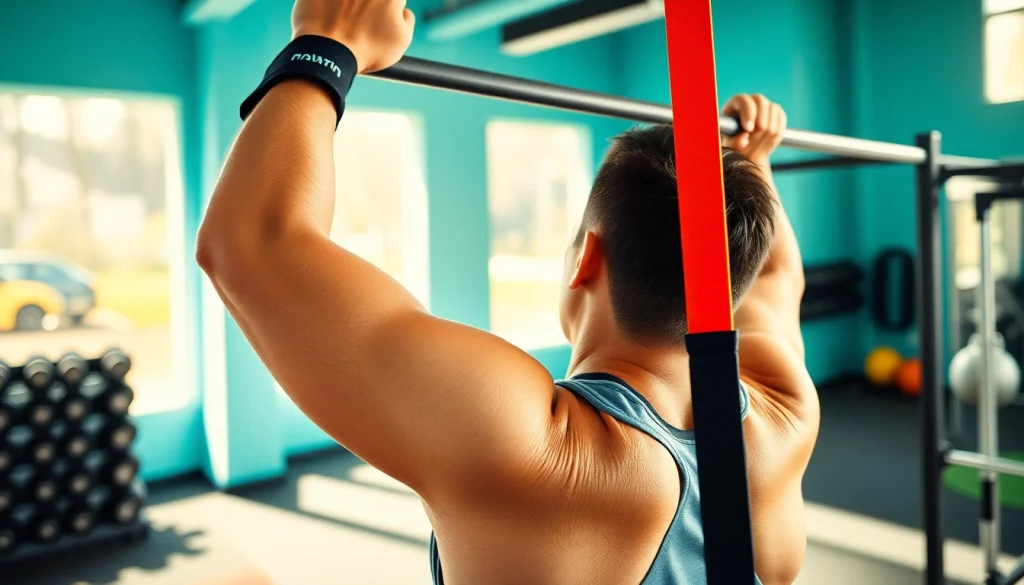
Understanding Assisted Pull-Up Bands
In the world of strength training, pull-ups are often regarded as the ultimate test of upper body strength. However, for many, achieving their first pull-up can be a daunting challenge. This is where assisted pull-up bands come into play. These versatile tools provide support and resistance, allowing users to gradually build the necessary strength to perform unassisted pull-ups. This comprehensive guide will delve into the workings of assistive pull-up bands, their benefits, and how to effectively integrate them into your training regimen.
What Are Assisted Pull-Up Bands?
Assisted pull-up bands are elastic resistance bands designed to help individuals perform pull-ups by reducing the amount of body weight that needs to be lifted. Typically, these bands come in various thicknesses and resistance levels, enabling users to select the right level of assistance according to their strength and fitness goals. They can be used on a pull-up bar, allowing users to place their feet or knees into the band while performing the exercise.
Benefits of Using Assisted Pull-Up Bands
- Gradual Progression: Assisted pull-up bands allow users to incrementally increase their strength, making it easier to work towards unassisted pull-ups.
- Versatility: These bands can be used for a wide range of exercises beyond pull-ups, including dips, chin-ups, and even lower body workouts.
- Reduced Injury Risk: By providing assistance, they help users maintain proper form, reducing the likelihood of injury.
- Accessibility: Ideal for beginners and those who may struggle with bodyweight exercises, assisted pull-up bands make strength training accessible to a wider audience.
How Assisted Pull-Up Bands Work
The mechanics behind assisted pull-up bands are simple yet effective. When a user grips the pull-up bar and steps into or rests their knee on the band, the band stretches and provides upward force. This counteracts gravity to a degree, making it easier to pull the body upward. The thicker the band, the more assistance it provides. Users can progressively switch to thinner bands as their strength improves, ensuring continuous challenges and adaptations in their training.
Choosing the Right Assisted Pull-Up Bands
With a myriad of options available on the market, selecting the right assisted pull-up band requires careful consideration. Understanding the unique characteristics of different bands can significantly impact your fitness journey.
Types of Assisted Pull-Up Bands Available
Assisted pull-up bands vary in shape and resistance levels, enabling users to choose the most suitable option for their training needs:
- Loop Bands: These continuous loops are popular and versatile, suitable for various workouts.
- Flat Bands: These bands are typically longer and can be doubled for added resistance.
- Thicknes Levels: Bands are available in different thicknesses ranging from very light to heavy, allowing for a nonlinear progression.
Factors to Consider When Buying Assisted Pull-Up Bands
When purchasing assisted pull-up bands, consider the following factors to ensure you select the best option for your needs:
- Resistance Level: Choose a band that matches your current strength level and allows for progression.
- Durability: Look for bands made from high-quality materials that can withstand repeated use.
- Length: Ensure the band is long enough to accommodate your pull-up bar and your body size.
- Brand Reputation: Research reputable brands that offer reliable customer support and product warranties.
Comparing Popular Brands and Models
Several brands dominate the market for assisted pull-up bands, each offering unique functionalities and characteristics. Popular options include:
- Rogue Fitness: Known for high-quality equipment, their bands are durable and come in various resistance levels.
- WOD Nation: Offers a variety of band sizes and colors, catering to different fitness levels and preferences.
- ProForm: Their bands are praised for comfort and versatility, making them suitable for various exercises.
Techniques for Effective Use of Assisted Pull-Up Bands
To maximize the benefits of assisted pull-up bands, proper techniques must be followed. Below are strategies for users of all experience levels.
Step-by-Step Guide for Beginners
- Set Up: Attach the band securely to the pull-up bar.
- Position Yourself: Step into or place your knee on the band.
- Grip the Bar: Use an overhand grip, shoulder-width apart.
- Engage Your Core: Maintain a tight core to stabilize your body during the pull.
- Perform the Pull-Up: Pull your chin above the bar while the band assists your lift.
- Lower Carefully: Control your descent, resisting the urge to drop quickly.
Common Mistakes to Avoid
Many beginners make mistakes when using assisted pull-up bands, which can hinder their progress. Key pitfalls to watch out for include:
- Using a band that is too light, which may not provide adequate support.
- Lifting with momentum instead of controlled strength, which undermines the effectiveness of the exercise.
- Neglecting other strength training exercises, which can stall overall progress.
Advanced Techniques for Experienced Users
For those who have mastered the basics, consider these advanced techniques:
- Negative Pull-Ups: Focus on the lowering phase by using a lighter band or no band at all.
- Chin-Up Variations: Modify grip positioning to target different muscles.
- Combination Exercises: Integrate bands into circuits that include other movements such as push-ups or squats.
Integrating Assisted Pull-Up Bands into Your Workout Routine
To achieve optimal results, integrating assisted pull-up bands into a broader strength training program is essential. Here are some strategies to help you get started.
Creating a Comprehensive Strength Training Program
Your training program should include a balanced mix of exercises targeting all major muscle groups. Consider scheduling pull-up band workouts two to three times weekly, supplemented with:
- Core Training: Include exercises such as planks and leg raises.
- Leg Workouts: Incorporate squats, lunges, and deadlifts.
- Flexibility and Recovery: Engage in stretching and mobility work to prevent injury.
Sample Workouts Using Assisted Pull-Up Bands
Here’s a sample workout routine focused on using assisted pull-up bands:
- Assisted Pull-Ups: 3 sets of 8-10 reps
- Push-Ups: 3 sets of 10-12 reps
- Resistance Band Rows: 3 sets of 12-15 reps
- Bodyweight Squats: 3 sets of 15 reps
- Plank: 3 sets for 30 seconds
Tracking Progress and Measuring Success
Regularly tracking your progress is vital for motivation and improvement. Consider keeping a workout journal to note:
- The type of band used and resistance level
- The number of repetitions achieved
- Overall physical feelings during workouts
- Improvements in unassisted pull-ups over time
The Future of Assisted Pull-Up Bands in Fitness
As the fitness industry evolves, assisted pull-up bands are likely to undergo innovations and enhancements that could further benefit users.
Emerging Trends and Innovations for 2026
Anticipated trends include the development of smart bands equipped with sensors that can track performance metrics such as strength output, workout duration, and progress reports, which can be accessed via mobile applications.
Expert Insights on Training Gear Development
Industry experts suggest that future bands will focus on adjustable resistance, allowing users to seamlessly change difficulty levels mid-workout without needing multiple bands.
Predicted Changes in Fitness Training Regimens
The role of assisted pull-up bands will likely shift towards becoming integral components of hybrid training regimens, incorporating elements of traditional strength training and modern fitness technologies to create comprehensive programs tailored to individual needs.